
Welcome to the 2010 Ford Fusion owner’s guide! This manual provides essential information regarding your vehicle’s operation, maintenance, and safety features.
Ford and its vendors do not retain your vehicle’s travel data, detailed in the Terms and Conditions, and accessible via SYNC supplements.
Vehicle Identification
Locating Your Vehicle Identification Number (VIN) is crucial for various services, including warranty claims, theft recovery, and parts ordering. The VIN is a unique 17-character code specific to your 2010 Ford Fusion.
You can find the VIN in several locations: on the driver’s side dashboard, visible through the windshield; on the driver’s side doorjamb; and on your vehicle registration and insurance documents. Ford Motor Company utilizes this number for tracking and service purposes.
Authorized Ford service facilities may access diagnostic information through the VIN, used for maintenance and repair. Understanding your VIN ensures accurate service and support throughout your vehicle’s lifespan.
Contact Information for Ford Motor Company
For assistance with your 2010 Ford Fusion, several avenues of contact are available. Ford Motor Company provides customer support through various channels to address your inquiries and concerns effectively.
You can reach the Ford Customer Relationship Center for general information, warranty inquiries, or roadside assistance. Online resources, including the official Ford website, offer a wealth of information, owner manuals, and frequently asked questions.
Authorized Ford dealerships are also valuable resources for service, repairs, and parts. Remember that diagnostic information may be accessed by Ford and authorized facilities for service purposes, ensuring quality support for your vehicle.
Understanding Your Owner’s Manual
This owner’s manual is a vital resource for maximizing your enjoyment and ensuring the safe operation of your 2010 Ford Fusion. It contains detailed information about all aspects of your vehicle, from basic operation to advanced features and maintenance schedules.
Familiarize yourself with the sections covering safety features, instrument cluster indicators, and routine maintenance procedures. Pay close attention to warning lights and chimes, as they provide crucial alerts about your vehicle’s condition.
The manual also details the SYNC system, offering guidance on Bluetooth pairing and voice commands; Regularly consulting this guide will help you understand your Fusion fully and address any questions that may arise during ownership.

Vehicle Overview
The 2010 Ford Fusion offers a blend of style, comfort, and efficiency. This section details the exterior and interior features, alongside seating and safety systems.
Exterior Features
The 2010 Ford Fusion boasts a contemporary and aerodynamic exterior design. Key features include a prominent three-bar chrome grille, reflecting Ford’s design language, and sleek headlights that enhance visibility. The body-colored side mirrors and door handles contribute to a cohesive aesthetic.
Depending on the trim level, you may find features like alloy wheels, a rear spoiler, and chrome accents. The Fusion’s overall profile is designed for both style and efficiency, minimizing drag. Attention to detail extends to the rear taillights and bumper design, creating a balanced and modern appearance. Consider exploring available options for personalization to match your preferences.
Interior Features
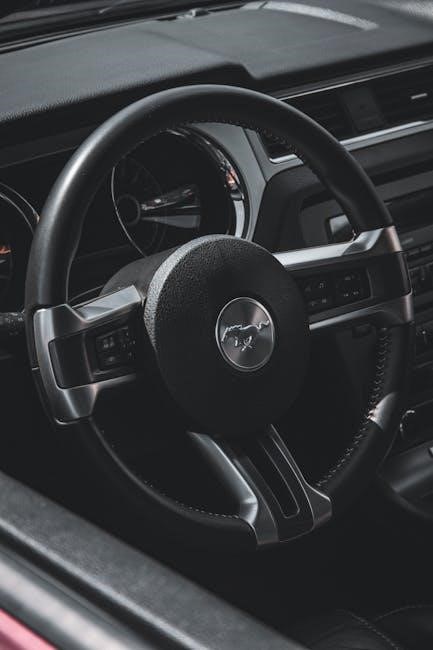
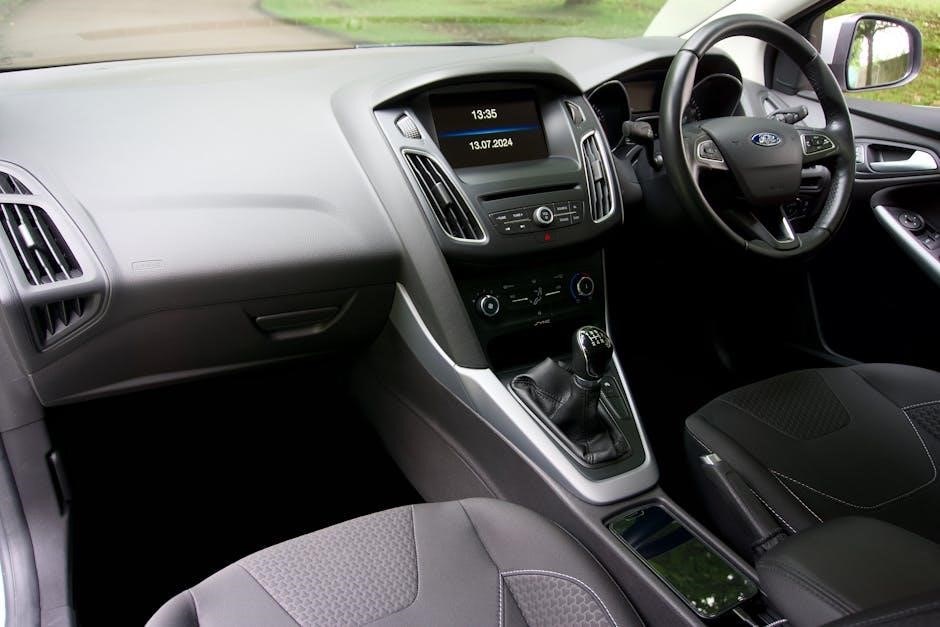
Step inside the 2010 Ford Fusion and experience a thoughtfully designed cabin. The interior prioritizes comfort and functionality, featuring a user-friendly layout with intuitive controls. Depending on the trim, you’ll find options like cloth or leather upholstery, providing a premium feel. The instrument panel is clearly organized, offering easy access to vital vehicle information.
Available features include a premium sound system, automatic climate control, and power-adjustable seats. The Fusion’s interior also offers ample storage space, including a spacious glove compartment and center console. Attention has been paid to material quality and overall refinement, creating a pleasant driving environment for both driver and passengers.
Seating and Safety Belts
Your 2010 Ford Fusion is equipped with seating designed for comfort and safety. Proper seating adjustments and safety belt usage are crucial for occupant protection during a collision. Always ensure all passengers are securely fastened with the provided three-point safety belts. The Fusion features adjustable head restraints to minimize whiplash potential.
Children should be properly restrained in appropriate child safety seats, installed according to the manufacturer’s instructions and local regulations. The vehicle includes LATCH (Lower Anchors and Tethers for CHildren) system for easy and secure child seat installation. Regularly inspect safety belts for damage and ensure they function correctly. Familiarize yourself with the proper use of all seating and restraint systems.
Operating Your Vehicle
This section details essential procedures for safely operating your 2010 Ford Fusion, including starting, stopping, driving modes, and proper fueling techniques.

Starting and Stopping the Engine
Starting your 2010 Ford Fusion is straightforward: ensure the vehicle is in Park or Neutral, firmly press the brake pedal, and turn the ignition key to the start position. Release the key once the engine starts; Avoid prolonged cranking to prevent starter damage.
To stop the engine, gently apply the brake pedal to bring the vehicle to a complete stop. Shift the transmission into Park, and turn the ignition key to the accessory or off position. Always ensure the parking brake is engaged, especially on inclines. Remember to remove the key to prevent accidental operation.
Driving Modes
The 2010 Ford Fusion typically offers standard driving modes suited for various conditions. The primary mode is ‘Normal’, providing a balance between fuel efficiency and performance for everyday driving. Depending on the trim level, some Fusion models may include a ‘Sport’ mode.
‘Sport’ mode generally enhances throttle response and steering feel, offering a more engaging driving experience. Hybrid models feature an ‘EV’ mode, allowing for electric-only operation at lower speeds and under specific conditions, maximizing fuel economy.
Always consult your owner’s manual for detailed information regarding the specific driving modes available on your Fusion model and their optimal usage scenarios. Understanding these modes can improve your driving experience.
Fueling Information
Your 2010 Ford Fusion requires unleaded fuel with an octane rating of 87 or higher for optimal performance. The fuel tank capacity varies depending on the engine; consult your owner’s manual for the precise volume. Always ensure the fuel filler cap is securely tightened after refueling to prevent fuel vapor emissions.
Avoid using fuels containing ethanol in concentrations exceeding 10% unless your vehicle is specifically designed for higher ethanol blends. Using incorrect fuel can negatively impact engine performance and potentially cause damage.
Refer to the owner’s manual for specific instructions on locating the fuel filler door release and proper fueling procedures. Never overfill the fuel tank, and be mindful of static electricity during refueling.

Instrument Cluster
The instrument cluster displays vital vehicle information, including warning lights, gauges, and data accessed through the information display, ensuring safe operation.
Warning Lights and Chimes
Understanding the warning lights and chimes is crucial for safe driving. These indicators alert you to potential vehicle issues requiring immediate attention. A lit warning light signifies a system malfunction or a need for maintenance.
Different colors indicate severity: red signals a serious problem needing immediate action, yellow suggests a potential issue to be checked soon, and blue or green typically indicates a system is actively engaged.
Chimes accompany certain warnings, providing an audible alert. Refer to the owner’s manual for a comprehensive list of all warning lights, their meanings, and the appropriate actions to take when they illuminate. Ignoring these signals could lead to further damage or compromise your safety. Promptly addressing these warnings ensures optimal vehicle performance and longevity.
Gauges
The instrument cluster features several gauges providing vital information about your vehicle’s operation. These gauges continuously monitor key systems, allowing you to assess performance and identify potential issues. The speedometer displays your vehicle’s speed, while the tachometer indicates engine RPM.
A fuel gauge shows the remaining fuel level, and a temperature gauge monitors the engine’s cooling system. Additionally, an ammeter displays the electrical system’s charging status.
Pay close attention to these gauges during operation. Unusual readings, such as a consistently high temperature or low fuel pressure, may indicate a problem requiring attention. Regularly monitoring these gauges contributes to proactive vehicle maintenance and safe driving practices, ensuring optimal performance and preventing potential damage.
Information Display
The 2010 Ford Fusion’s information display, integrated within the instrument cluster, provides a wealth of data beyond the traditional gauges. This multi-function screen presents crucial vehicle information, enhancing driver awareness and control. It showcases trip data, including distance traveled, average speed, and fuel economy.
The display also communicates important system messages, alerting you to maintenance needs or potential vehicle issues. Furthermore, it interfaces with the SYNC system, displaying audio information and caller ID when a Bluetooth device is connected.
Accessing and navigating the information display is typically done through steering wheel-mounted controls, allowing for safe and convenient operation while driving. Refer to the SYNC supplement for detailed information regarding its functionalities.

Vehicle Maintenance
Regular maintenance is crucial for optimal performance and longevity. This section details scheduled services, fluid checks, tire care, and diagnostic access for Ford facilities.
Scheduled Maintenance
Maintaining your 2010 Ford Fusion involves a structured schedule of inspections and services. These intervals, outlined in your vehicle’s maintenance schedule, are designed to ensure reliability and prevent potential issues. Key areas include oil and filter changes, tire rotations, brake inspections, and fluid level checks.
Following the recommended maintenance plan helps preserve your vehicle’s warranty and resale value. Ford authorized service facilities have access to diagnostic information and can perform these services efficiently. Remember to keep detailed records of all maintenance performed, including dates, mileage, and services completed. This documentation is valuable for future reference and potential warranty claims.
Consult your owner’s manual or a Ford dealership for the specific maintenance intervals applicable to your driving conditions and vehicle usage.
Fluid Checks and Replacements
Regularly checking and replenishing your 2010 Ford Fusion’s fluids is crucial for optimal performance. Key fluids include engine oil, coolant, brake fluid, power steering fluid, and windshield washer fluid. Inspect fluid levels periodically, following the guidelines in your owner’s manual.
Low fluid levels can lead to component damage and reduced vehicle efficiency. Replacement intervals vary depending on fluid type and driving conditions. Use only Ford-approved fluids to ensure compatibility and maintain warranty coverage. Proper disposal of used fluids is essential for environmental responsibility; consult local regulations for appropriate disposal methods.
Ford authorized service facilities can perform fluid checks and replacements efficiently, ensuring the correct fluids are used and disposed of properly.
Tire Information
Maintaining proper tire condition is vital for your 2010 Ford Fusion’s safety and performance. Regularly check tire pressure – including the spare – and inflate to the recommended pressure listed on the tire placard (usually located on the driver’s side doorjamb). Inspect tires for wear, damage, and uneven tread patterns.
Uneven wear can indicate alignment issues or suspension problems. Rotate your tires according to the recommended schedule to promote even wear and extend their lifespan. Ensure tires have sufficient tread depth for adequate traction, especially in wet or snowy conditions.
Replace tires when they reach the wear bars or show signs of damage. Using the correct tire size and type is crucial for vehicle handling and stability.

In Case of Emergency
This section details crucial procedures for roadside assistance, jump starting, and towing your 2010 Ford Fusion. Prioritize safety and follow instructions carefully.
Roadside Assistance
Ford offers comprehensive roadside assistance to Fusion owners, providing peace of mind during unexpected situations. Services include towing, jump starts, tire changes, fuel delivery, and lockout assistance. To access these benefits, contact the dedicated roadside assistance hotline using the provided contact information in your owner’s manual or the FordPass app.
When requesting assistance, be prepared to provide your vehicle identification number (VIN), location, and a detailed description of the issue. Remember that roadside assistance coverage may vary depending on your vehicle’s warranty and any purchased extended service plans. Familiarize yourself with the terms and conditions to understand your coverage limits and any associated costs. Prioritize your safety and the safety of others while awaiting assistance.
Jump Starting Procedures
If your 2010 Ford Fusion battery is depleted, you can jump-start it with a booster cable and another vehicle. First, position the vehicles close enough for the cables to reach, but do not let them touch. Connect the positive (+) cable to the positive terminal of the discharged battery, then to the positive terminal of the good battery. Next, connect the negative (-) cable to the negative terminal of the good battery, and finally to a grounded metal surface on your Fusion, away from the battery.
Start the good vehicle and let it run for a few minutes. Then, attempt to start your Fusion. If it doesn’t start, check the cable connections and repeat the process. Once started, let your Fusion run for at least 20 minutes to recharge the battery. Caution: Incorrect jump-starting can damage your vehicle’s electrical system.
Towing Information
When towing your 2010 Ford Fusion, proper procedures are crucial to avoid damage. It’s recommended to use a flatbed truck for towing, especially over long distances. If wheel lift towing is necessary, ensure the vehicle is lifted from designated frame points to prevent undercarriage damage. Never tow by attaching to the suspension components or bumpers.
Before towing, disconnect the driveshaft if all four wheels are to be lifted off the ground. Ensure the transmission is in Park (P) and the parking brake is engaged. Verify that all towing equipment is properly rated for the weight of your Fusion. Consult a professional towing service for assistance and adhere to all local regulations regarding towing procedures and safety precautions.

SYNC System
The SYNC system enhances your driving experience! Access features like Bluetooth pairing and voice commands for calls, music, and more – see the SYNC supplement.
SYNC System Overview
Your Ford Fusion’s SYNC system is a fully integrated connectivity platform designed to enhance your driving experience. It allows hands-free telephone calling, audio streaming, and voice control of various vehicle functions. SYNC utilizes Bluetooth technology to pair with your compatible mobile devices, enabling seamless integration of your digital life with your vehicle.
The system features a user-friendly interface accessible through the vehicle’s display screen and voice commands. It’s important to consult your dedicated SYNC supplement for detailed instructions on utilizing all available features. This supplement provides comprehensive guidance on pairing devices, navigating the menus, and understanding the system’s capabilities.
Ford Motor Company and authorized service facilities may access diagnostic information electronically, as outlined in the system’s terms and conditions.
Bluetooth Pairing
To pair your mobile device with your 2010 Ford Fusion’s SYNC system, first ensure Bluetooth is enabled on your phone. Within the SYNC system, navigate to the “Phone” menu on the vehicle’s display. Select “Add Device” and follow the on-screen prompts. Your phone will likely display a PIN code; enter this code into the SYNC system when requested to confirm the connection.
Once paired, your phone’s contacts and call history will be accessible through SYNC. You can initiate calls hands-free using voice commands or the vehicle’s controls. Remember to consult your SYNC supplement for detailed, step-by-step instructions specific to your phone model.
Successful pairing allows for audio streaming and other SYNC features.
Voice Commands
The SYNC system in your 2010 Ford Fusion responds to a variety of voice commands, enabling hands-free control of audio, phone, and navigation features. To activate voice control, press the voice recognition button on the steering wheel. A tone will indicate the system is listening.

Common commands include “Play music,” “Call [contact name],” “Tune to [radio station],” and “Navigate to [address].” For music, you can specify artist, album, or song title. SYNC also understands natural language, so you can phrase commands conversationally.
Refer to your SYNC supplement for a comprehensive list of available voice commands and helpful tips for optimal recognition.
Specifications
This section details key specifications for your 2010 Ford Fusion, including dimensions, weight, engine details (like the 3.0L V6), and vehicle capacities.
Dimensions and Weight
Understanding the physical characteristics of your 2010 Ford Fusion is crucial for various situations, from parking in tight spaces to assessing cargo capacity. The Fusion boasts a length of approximately 192.1 inches (4879 mm), providing ample passenger room. Its width measures around 73.4 inches (1864 mm), contributing to a stable stance on the road.
The vehicle’s height typically falls within the range of 57.1 to 58.2 inches (1450-1478 mm), depending on the specific trim level and optional equipment. Curb weight varies based on engine and drivetrain configuration, generally ranging from approximately 3383 to 3684 pounds (1534 to 1670 kg). These figures are essential for calculating load limits and understanding the vehicle’s overall handling characteristics.
Engine Specifications
The 2010 Ford Fusion offered a range of engine options to suit diverse driving needs. The standard engine was a 2.5-liter Duratec inline-4, producing around 175 horsepower and 172 lb-ft of torque, providing a balance of efficiency and performance. An optional 3.5-liter Duratec V6 delivered a more robust 263 horsepower and 249 lb-ft of torque for enhanced acceleration.
For those seeking fuel efficiency, a hybrid powertrain combining a 2.5-liter inline-4 with an electric motor was available, achieving a combined output of 191 horsepower. All engines utilized multi-port fuel injection and were designed for optimal reliability and longevity. Understanding these specifications aids in proper maintenance and performance expectations.
Capacities
Knowing your 2010 Ford Fusion’s key capacities is crucial for routine maintenance and travel planning. The fuel tank capacity is approximately 17.5 gallons, allowing for a substantial driving range. The engine oil capacity varies depending on the engine; the 2.5L I4 typically requires around 4.5 quarts with a filter, while the 3.5L V6 needs approximately 5.7 quarts.
Coolant capacity is roughly 12.8 quarts for all engines. The power steering fluid capacity is around 2.2 quarts. Proper fluid levels are essential for optimal performance and longevity. Always refer to the owner’s manual for precise specifications related to your specific Fusion configuration.
 2013 chevrolet malibu owners manual
  roper rtw4516fw2 manual
  manual of information npc
  clip jam user manual
  kenmore oven manual model 790
  chainsaw lumber cutting guide
  rebol nutrition information pdf
  commercial rental application pdf
  libros de preguntas y respuestas pdf