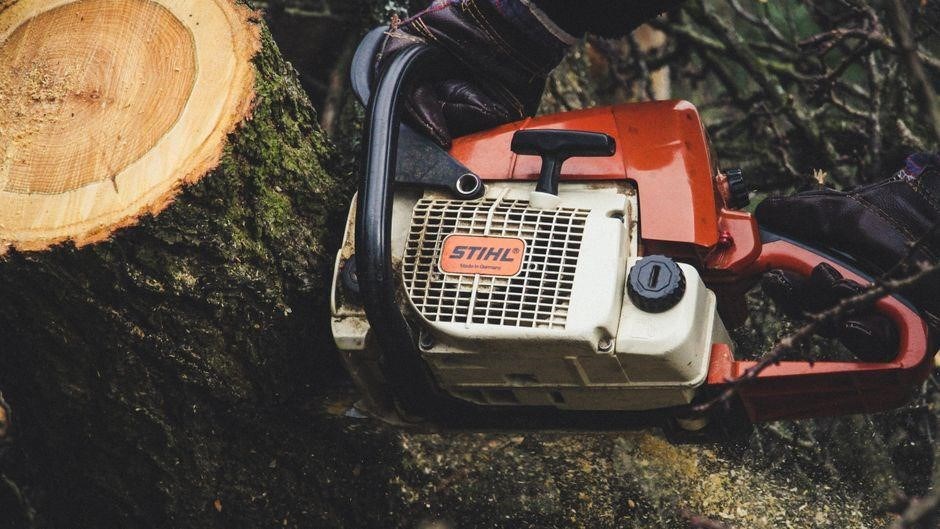
Understanding Chainsaw Types for Lumber Cutting
Choosing the right chainsaw type—gas, electric, or cordless—depends on job size, terrain, and power. A high‑RPM gas unit offers deep cuts for large logs, while a lightweight electric model suits small, indoor jobs. The chainsaw lumber cutting guide highlights torque, chain pitch, and safety features. Check for wear before use now!
Selecting the Right Blade for Different Wood Species
Choosing the correct chainsaw blade for each wood species is essential for efficient cuts, operator safety, and long‑term tool performance. The chainsaw lumber cutting guide stresses that wood density, hardness, grain orientation, and moisture level dictate the optimal bar length, pitch, and tooth count. For most softwoods—pine, spruce, fir, and cedar—a 3‑ to 4‑inch bar with a 3‑1/2 pitch and 4‑1/2 teeth‑per‑inch (TPI) chain delivers smooth, low‑tear cuts and reduces operator fatigue. Softwoods also tolerate a 3‑1/2 pitch on a 3‑inch bar, offering a lighter, more maneuverable setup for small‑diameter logs or indoor work.
Hardwoods such as oak, maple, hickory, walnut, and birch require a longer bar—4‑ to 5‑inch—to accommodate the higher cutting forces. A 4‑inch bar with a 4‑1/2 pitch and 3‑1/2 TPI chain balances speed and durability for medium‑density hardwoods. For very dense or resinous species—such as black walnut or ironwood—a 5‑inch bar with a 5‑1/2 pitch and 3‑1/2 TPI chain is recommended; the larger pitch reduces clogging while the higher tooth count maintains cutting efficiency. The guide also notes that a 3‑1/2 pitch on a 5‑inch bar can be used for softer hardwoods to increase feed rate, but the operator must monitor for increased vibration.
When dealing with mixed‑species logs or irregular shapes, a hybrid chain—starting with a 3‑1/2 pitch for the first half of the cut and switching to a 4‑1/2 pitch for the second—provides consistent performance. Always match the chain’s pitch to the bar length: a 3‑inch bar requires a 3‑1/2 pitch, a 4‑inch bar a 4‑1/2 pitch, and a 5‑inch bar a 5‑1/2 pitch. Inspect the chain for wear; dull teeth or uneven pitch compromise safety and cut quality. Replace the chain when the teeth are worn or the pitch is irregular, and consider a higher‑TPI chain for softer woods to reduce tear‑out and improve finish quality. Follow these guidelines for optimal performance. Use a guard for safety to keep
Safety Equipment Every Operator Should Wear
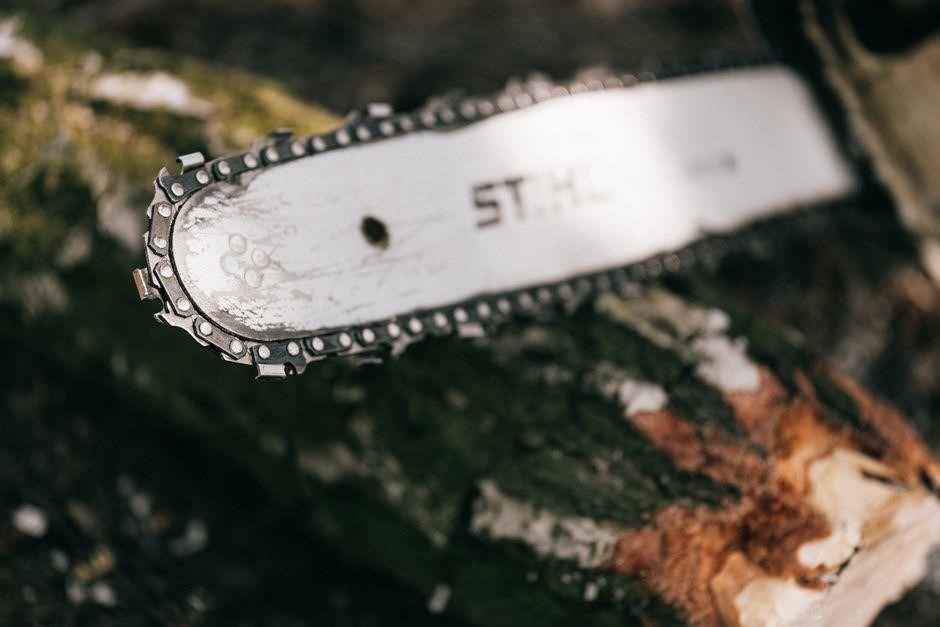
When operating a chainsaw, personal protective equipment (PPE) is non‑negotiable. The chainsaw lumber cutting guide stresses that each component of PPE serves a specific function: hearing protection, eye protection, hand protection, foot protection, and body protection. The below is a comprehensive checklist of gear that should be worn at all times.
- Hearing protection: Double‑layer earplugs or noise‑cancelling earmuffs reduce decibel exposure to 85–90 dB, preventing permanent hearing loss.
- Eye protection: A full‑face shield or safety goggles with a side shield block flying splinters and sawdust. Anti‑fog coatings keep visibility clear during prolonged use.
- Hand protection: Thick, cut‑resistant gloves with reinforced knuckles guard against accidental chain contact and splinter penetration. Gloves should be fitted to the hand to avoid slippage.
- Foot protection: Steel‑toe boots with a cut‑resistant toe cap guard the feet from falling debris and a chain contact. Boots should have a non‑slip sole for stability on uneven ground.
- Body protection: A high‑visibility vest or jacket with reflective strips enhances visibility in low light; A back protector with a reinforced spine guard deflects impacts from falling branches.
The chainsaw lumber cutting guide also highlights the importance of maintaining a clean work area. Removing debris, checking for obstructions, and ensuring a stable footing reduce the risk of accidents. Proper PPE, combined with a clear workspace, creates a safer cutting environment, improving both efficiency and operator confidence.
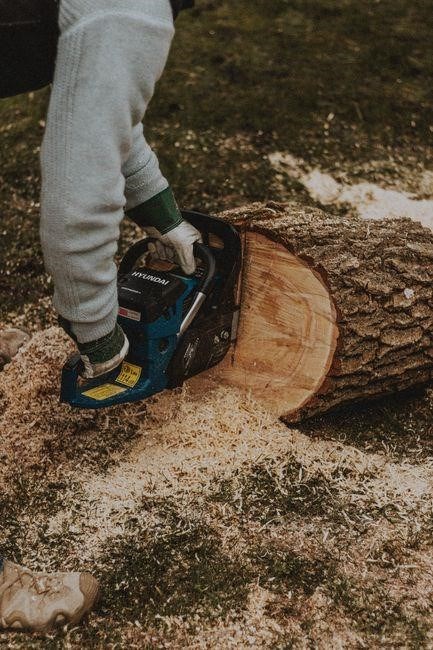
Pre-Cut Inspection: Checking Chainsaw and Chain Condition
Before each session, perform a systematic check to ensure the chainsaw operates safely and efficiently. Start with the engine: confirm the oil level, inspect the spark plug for fouling, and verify the air filter is clean. A clogged filter can reduce power and increase fuel consumption.
Next, examine the chain. Look for missing or bent teeth, as they cause uneven cuts and can damage the bar. Clean the chain with a brush and apply chain oil to maintain lubrication. Check the chain tension; it should be snug enough to prevent slippage and can also be adjusted to suit the job. Adjust the tension screw until the chain moves freely without touching the bar.
Inspect the bar for cracks or excessive wear. A cracked bar can snap in the operation, posing a serious hazard. Replace the bar if the wear depth exceeds the manufacturer’s recommendation. Also, ensure the bar guard is intact and properly positioned.
Finally, test the safety features: the chain brake should engage within 1–2 seconds of a sudden stop; and the throttle lock must be functional. If any component fails inspection, repair or replace it before cutting. A thorough pre‑cut inspection reduces accidents and extends the life of the chainsaw.
Additionally, always verify the chain’s drive sprocket for proper alignment and ensure the bar’s mounting bolts are tightened firmly properly to the manufacturer torque spec.!
A loose bolt can lead to bar wobble, increasing kickback!
Keep the chain guard in place and double‑check the chain oil level before each use.!
Setting the Chain Tension for Optimal Performance
Proper chain tension is the cornerstone of efficient, safe, and durable chainsaw operation. A taut chain delivers clean cuts, reduces vibration, and extends blade life, while a loose chain can lead to chain kickback, poor cutting performance, and increased wear on both the chain and the bar. The chainsaw lumber cutting guide emphasizes that tension must be adjusted for each specific job, taking into account bar length, chain pitch, and the type of wood being cut.
Begin by inspecting the chain for any signs of damage or wear. A chain with worn teeth or a bent drive link will not maintain proper tension even if the bar is set correctly. Once a clean, undamaged chain is confirmed, locate the tension adjustment screw or lever on the saw’s bar. For most models, this is positioned at the rear of the bar, near the drive sprocket. If your saw uses a tensioning plate, loosen the mounting bolts before proceeding.
With the saw powered off, use a wrench or the manufacturer’s recommended tool to turn the tensioning screw. Tightening the screw pulls the chain toward the bar, increasing tension; loosening does the opposite. A good rule of thumb is to aim for a tension that allows the chain to sit snugly against the bar, with a slight give when pressed with a finger. This “finger test” is a quick visual cue that the chain is neither too tight nor too loose. For precision, many operators use a chain tension gauge or a ruler to measure the distance between the chain and the bar at the midpoint of the drive links.
After initial tensioning, perform a test cut on a scrap piece of lumber. Observe the chain’s behavior: it should glide smoothly, with minimal vibration. If the chain jumps or skips, it is likely too loose. If the chain feels overly stiff or the bar shows signs of flex, it may be over‑tightened. Adjust incrementally, retesting after each adjustment until the chain runs evenly across the bar.
It is essential to repeat the tension check after every few hours of use, especially when cutting large volumes of lumber or when the saw has been subjected to temperature changes. Heat can cause the metal to expand, slightly loosening the chain, while cold can contract it, tightening the chain. Regular tension monitoring prevents sudden chain failures and ensures consistent cutting quality.
Finally, remember that chain tension is not a one‑time setting. Factors such as bar wear, chain replacement, and changes in cutting conditions all necessitate periodic reevaluation. By integrating tension checks into your daily chainsaw maintenance routine, you uphold the safety standards outlined in the chainsaw lumber cutting guide and maintain peak performance for every cut.
Mastering the Cutting Technique: From Start to Finish
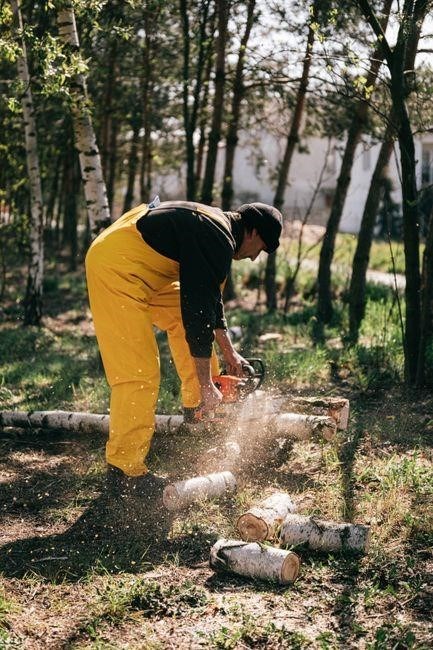
Mastering the cutting technique begins with a clear plan: mark the cut line, secure the log, and set the chainsaw to the proper chain pitch and tension. The chainsaw lumber cutting guide stresses the importance of a firm grip and a stable stance—feet shoulder-width apart, knees slightly bent, and the saw’s handle in the dominant hand. Before each cut, perform a quick visual inspection: ensure the chain is sharp, the oil reservoir is full, and the safety lever is engaged. Begin the cut by positioning the saw at a 45° angle to the log’s surface, allowing the chain to bite smoothly. Maintain a steady, rhythmic motion, letting the saw’s weight do the work rather than forcing it. For long cuts, use a “push” technique: keep the saw’s blade in contact with the wood, moving forward in a single, continuous stroke. When encountering a knot, slow the chain, adjust the angle slightly, and let the saw’s torque handle the resistance. After completing a cut, pause to let the chain stop before turning off the engine. Finally, inspect the cut surface: a clean, straight edge indicates proper technique, while uneven cuts may signal a need to adjust tension or replace the chain. Following these steps ensures efficient, safe, and high‑quality lumber cuts every time.
Remember, the saw’s chain should be checked after each session for wear or damage. Replace or sharpen as needed. Keep the chain guard on when not in use to protect against accidental contact. Store the saw in a dry, ventilated area to prevent rust. By consistently applying these practices, you’ll maintain peak performance and safety throughout your lumber cutting projects. All these steps ensure safe cutting daily!!!
Managing Cut Lumber: Stacking and Storage Best Practices
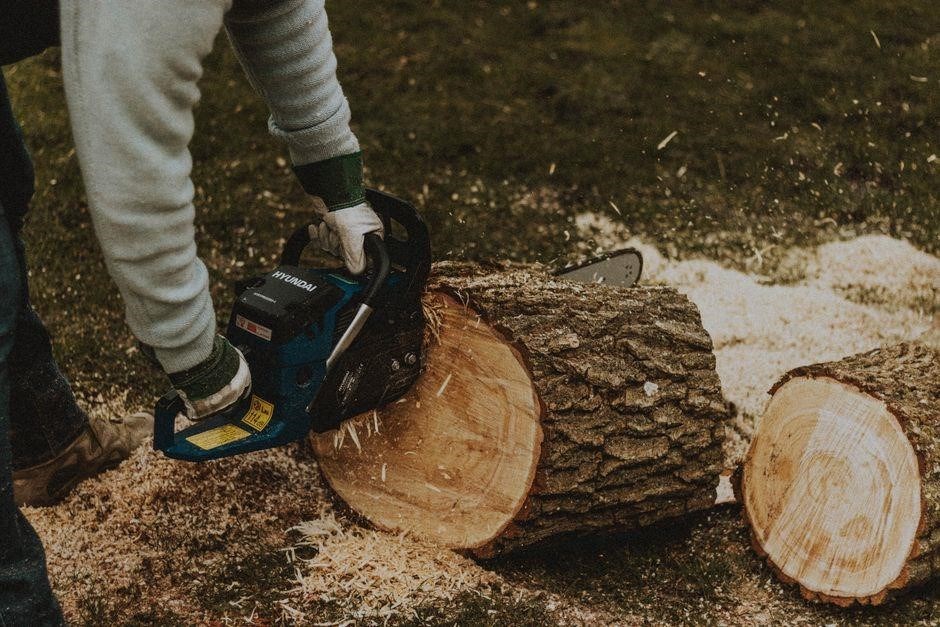
After a day of cutting, stacking lumber correctly preserves quality and dries faster; The chainsaw lumber cutting guide recommends a dry, level base of pallets or concrete, then laying the first layer of boards perpendicular to prevailing wind. Use a 3‑to‑4‑board high stack, spacing each layer 1‑2 inches. Secure the stack with a simple wire or rope looped around the center, ensuring the top board is not overburdened. Cover the stack with a breathable tarp, leaving gaps for ventilation, and keep it away from direct sunlight and moisture to prevent warping and mold. For long‑term storage, rotate the stack every 3–4 months, turning the boards 180 degrees to avoid uneven drying. Store stacks in a well‑ventilated shed or open area, maintaining a 6‑inch clearance from walls to allow air circulation. Inspect the chain and bar for wear before each session. Use a moisture meter for readings
In a shed, place boards in a criss‑cross pattern to maximize space and airflow. Use a small pallet or wooden frame to keep the stack off the floor, preventing dampness from the ground. For high‑value timber, consider a protective canvas cover or custom sleeve to shield from rain and UV damage. Inspect periodically for cracks, rot, or insect damage, and replace compromised boards promptly. In humid climates, use a dehumidifier or silica gel packs to keep moisture low. Keep the stack away from chemical storage or heat sources that could accelerate degradation. Maintaining a clean, dry, and well‑ventilated environment ensures the lumber remains in top condition for future use or sale. Keep the stacks elevated to avoid ground moisture
Wood Moisture Content and Its Impact on Cutting Quality
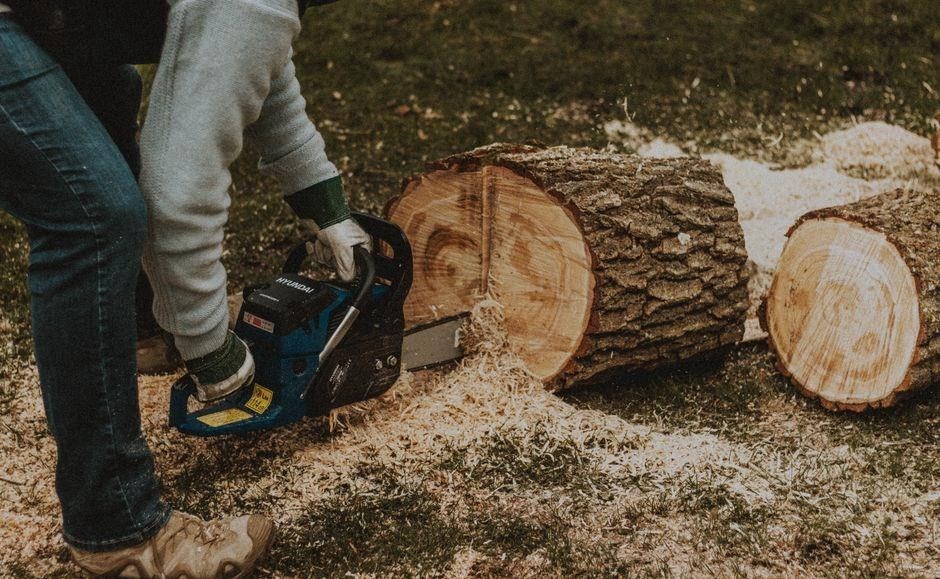
Moisture content (MC) is a critical factor that determines how a chainsaw interacts with timber. Dry wood (≤8 % MC) cuts cleanly, produces minimal tear‑out, and allows the chain to maintain a sharp edge longer. However, overly dry lumber can become brittle, leading to splintering and uneven cuts. High‑MC wood (≥12 %) behaves like a damp sponge; the chain struggles, the saw vibrates, and the cut surface becomes rough with excessive chipping. In the chainsaw lumber cutting guide, technicians recommend measuring MC with a moisture meter before felling or planing. For logs destined for structural use, keeping MC between 8 % and 12 % ensures optimal strength and reduces the risk of post‑cut decay. When operating in humid climates, pre‑drying or using a low‑RPM setting can mitigate the negative effects of moisture. Additionally, the guide stresses that the chain’s pitch and bar length should be matched to the wood’s density; a coarse pitch is better for soft, wet species, while a fine pitch excels on hard, dry timber. Proper MC management not only improves cutting efficiency but also extends chainsaw life by reducing wear on the chain and bar. Finally, the guide advises storing cut lumber in a controlled environment, allowing it to equilibrate to ambient MC before use, thereby ensuring consistent performance across all cuts.
Operators should also consider the effect of temperature on MC. Cold weather can cause rapid contraction, leading to increased tension in the chain, while heat can expand the wood, making it more pliable and easier to cut. Maintaining a consistent cutting rhythm helps to keep the chain at a steady speed, reducing the likelihood of burnback! In practice, a well‑balanced chainsaw with a properly tensioned chain will deliver smoother cuts, lower vibration, and less wear on both the bar and the chain. This holistic approach to moisture management and cutting technique ensures that each log is processed efficiently, safely, and with minimal waste.
Adjusting the Saw for Thick vs. Thin Lumber
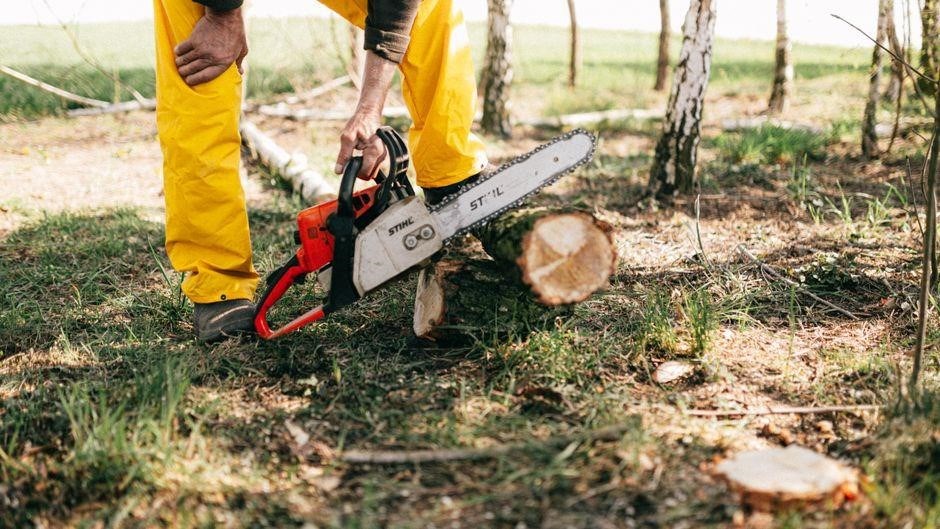
When tackling thick logs, the chainsaw must be set to a higher gear or a lower chain pitch to increase torque and reduce the risk of the chain binding. A 3.5‑inch chain with a 3‑tooth pitch is ideal for logs over 12 inches in diameter, while a 2‑inch chain with a 2‑tooth pitch works well for thinner cuts. Adjust the chain tension so that the chain sits snugly against the bar but still allows a slight flex; this ensures clean cuts and prevents the chain from slipping off the bar during heavy cuts.
For thin lumber, a finer chain pitch, such as 2‑tooth or 1‑tooth, provides a smoother cut and less vibration. The saw should be set to a higher gear to maintain speed without overloading the motor. Keep the bar length proportional to the log diameter—generally 1.5 times the diameter—to minimize the strain on the motor and improve stability.
Always inspect the bar and chain for wear before each job. Replace any worn teeth or damaged bar sections immediately. Use a chain oil that matches the manufacturer’s recommendation, as proper lubrication reduces friction and heat buildup, especially when cutting thick lumber.
When switching between thick and thin cuts, adjust the chain tension and gear settings accordingly. A quick test cut can confirm the chain is running smoothly. If the saw’s power is insufficient for thick cuts, consider a dual‑fuel or higher‑horsepower model.
Proper chain tension and regular maintenance are essential for safe, efficient cuts. Operators should inspect the chain for wear, adjust tension, and select the correct pitch. These practices reduce vibration, improve cutting quality and prolong chainsaw life
Common Cutting Problems and How to Resolve Them
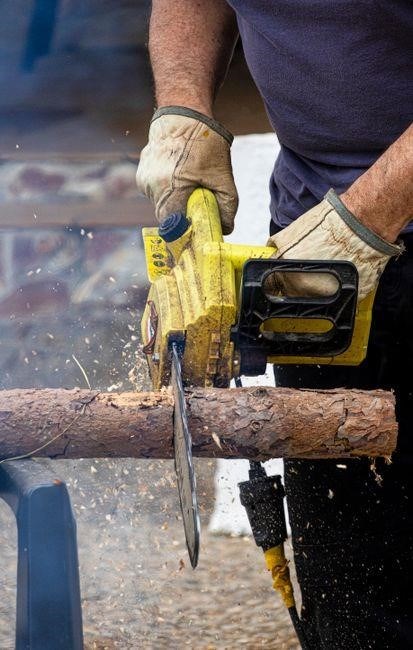
Even seasoned operators face recurring issues that can compromise safety and efficiency. This “chainsaw lumber cutting guide” highlights the most frequent problems and practical solutions.
- Kickback: When the chain hits the wood at an angle. Keep the saw’s nose above the cut line, use a kickback guard, and maintain a steady swing.
- Chain Binding: A jammed chain stalls the saw. Clear debris, lubricate, and adjust tension so the chain slides freely.
- Dull or Mis‑aligned Chain: Increases resistance and heat. Sharpen or replace, and verify pitch and depth gauge.
- Uneven Cuts: From inconsistent feed or a warped guide bar. Keep a constant rhythm, match the bar to log diameter, and correct wobble.
- Vibration and Fatigue: Excessive vibration causes fatigue. Use a vibration‑reduction handle, balance the chain, and take breaks.
- Improper Feed Rate: Too fast or too slow causes chatter. Match feed rate to RPM and wood density.
- Heat Build‑Up: Overheating warps the bar. Stop, cool, and oil fresh.
- Bar Wear: A worn guide bar reduces cutting efficiency and can cause uneven cuts. Inspect the bar for burrs, replace or sharpen as needed, and ensure the bar is level.
Addressing these problems promptly extends saw life and ensures cleaner, safer cuts;
Regular inspection of the bar, chain, and oil levels prevents many of the above issues and keeps the saw running smoothly.
Stay alert and follow guidelines!
Routine Maintenance to Extend Chainsaw Life
Regular upkeep is essential for reliable performance and longevity. The chainsaw lumber cutting guide recommends a systematic approach covering cleaning, lubrication, sharpening, and inspection. Start each session by removing debris from the bar and chain with a brush or compressed air. Inspect the chain for nicks, bent links, and proper tension; adjust the bar tension screw until the chain slides smoothly but does not slip off the bar. Oil the chain at the recommended rate—typically 0;5–1.0 oz per hour of use. Replace the chain oil filter every 50–75 hours to prevent sludge buildup. Sharpen the chain with a file or a dedicated sharpening system; a dull chain increases cutting time and heat, leading to premature wear. Inspect the bar for cracks or warping, and replace if damage is detected. Clean the air filter and replace it every 20–30 hours or when it appears dirty. Finally, store the chainsaw in a dry, ventilated area, cover it with a protective case, and perform a quick visual check before each use. Consistent maintenance reduces downtime, improves safety, and extends the life of your chainsaw; Daily checks keep the saw ready for the next job.
Additionally, inspect the chain drive for wear and replace the drive sprocket if worn. Use a chain tension gauge to verify tension meets specifications. Check the bar guard for cracks and secure it. Inspect the chain for rust and apply inhibitor if needed. Clean the drive and bar to prevent sawdust buildup. Keep electrical connections tight. Test variable speed trigger for smooth operation. For electric models, inspect the cord. Check wear indicators!?.
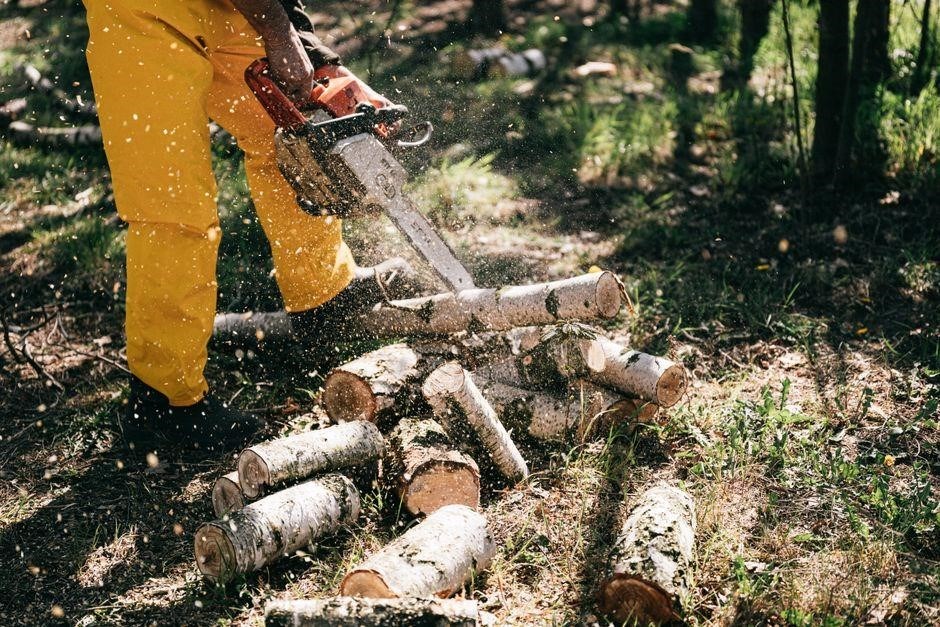
Environmental Impact of Chainsaw Use and Mitigation
Chainsaws, while indispensable for timber harvest and maintenance, contribute to environmental footprints through fuel consumption, emissions, and noise. Gas‑powered models emit carbon monoxide, hydrocarbons, and particulate matter, while electric units rely on grid electricity that may stem from fossil fuels. Noise pollution disrupts wildlife, especially in dense forests where sound can travel far; The chainsaw lumber cutting guide recommends several mitigation strategies to reduce these impacts.
- Choose low‑emission or electric chainsaws: Electric models cut up to 70% fewer emissions than gasoline ones.
- Maintain chain tension and sharpness: A sharp chain cuts faster, saving fuel.
- Use biodegradable lubricants: Reduces soil and water contamination.
- Control noise: Operate daylight, use mufflers, and avoid sensitive habitats.
- Precision cutting: Plan cuts to preserve canopy and understory.
- Recycle sawdust: Compost to enrich soil.
Regulatory frameworks, such as the U.S. EPA’s Clean Air Act and the European Union’s Emission Trading System, set limits on allowable emissions and encourage adoption of cleaner technologies. Operators should stay informed about local ordinances that restrict cutting times and noise levels. Continuous training on efficient cutting techniques not only improves safety but also reduces fuel burn per board foot.
Battery‑powered cordless chainsaws now rival gas units in power while emitting no tailpipe pollutants. Solar‑charged packs can be recharged on site, cutting diesel use. GPS mapping and logging software help plan cuts that reduce soil compaction and protect watersheds. Battery packs can be swapped on the fly.
Keep a log of fuel use, hours, and maintenance to support lifecycle assessments and spot emission‑reducing opportunities. By combining tech, best practices, and accountability, the chainsaw lumber cutting guide encourages timber production that respects ecological health.
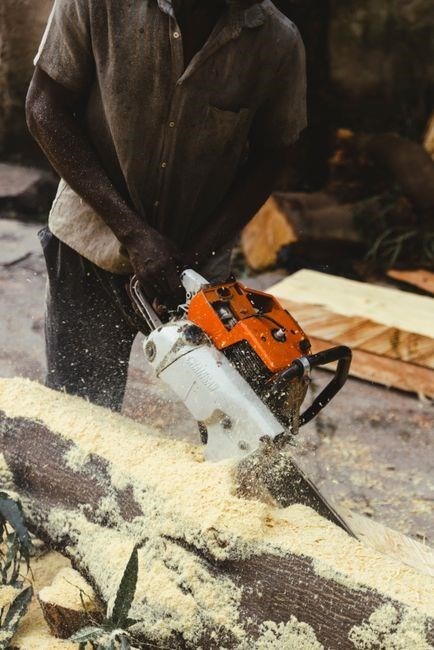
Troubleshooting Power and Chain Issues
When a chainsaw stalls or the chain skips, start by inspecting the fuel system. For gasoline models, confirm the mixture is 50:1, clean the carburetor jets, and replace a clogged fuel filter. Check the fuel cap seal for leaks and ensure the fuel gauge reads correctly. Electric or battery‑powered saws should be checked for battery charge, cord integrity, and any frayed insulation; low voltage causes sluggish performance or sudden shutdowns.
Chain tension is critical. A loose chain vibrates and cuts poorly, while an overly tight chain can bind and overheat. Use the manufacturer’s tension gauge or the “feel” method: the chain should rest on the bar with a slight give. Adjust the bar bolt until the chain sits snugly but not rigid.
Inspect the chain for wear. Dull teeth bite poorly and generate heat. Replace the chain when the cutting edge is no longer sharp. Look for bent links or missing pins; these can cause derailment or skipping. A worn chain also increases vibration and reduces cutting efficiency.
Lubrication is another common culprit. Ensure the oil reservoir is filled with the correct oil and the oil pump is functioning. A clogged oil feed will overheat the chain. Clean the oil pump, replace the oil filter if needed, and verify the chain oil line is free of kinks or blockages.
Finally, inspect the bar and guide. A bent bar alters the cutting angle and can cause the chain to skip. Use a straight edge to check for warping. Replace a damaged guide to maintain proper chain alignment. A worn guide can also lead to uneven cuts and increased chain wear.
If the engine runs but fails to start, inspect the spark plug for fouling or wear. Clean or replace it, and verify the spark plug gap with a feeler gauge. A dirty air filter can choke the engine; clean or replace it. For dual‑fuel models, check the fuel filter and injectors for clogs.
Electrical saws may exhibit intermittent power due to a faulty battery or charger. Test the battery voltage with a multimeter; a reading below 12 V indicates a discharged or failing battery. Inspect the charger contacts for corrosion and clean them with a wire brush.
Mechanical drive issues often stem from a worn drive sprocket or a broken chain drive gear. Remove the chain and inspect the sprocket teeth for wear or damage. Replace any damaged components before re‑installing to avoid chain derailment.
By systematically checking fuel, air, spark, tension, lubrication, and electrical components, operators can quickly identify and resolve power and chain problems, ensuring reliable performance and safety during every cut.
 on cloud size guide
  princeton guide to historical research
  pathfinder bard guide
  us navy lays keel for constellation-class guided-missile frigate.
  guiding light alan spaulding
  jewelry gift guide
 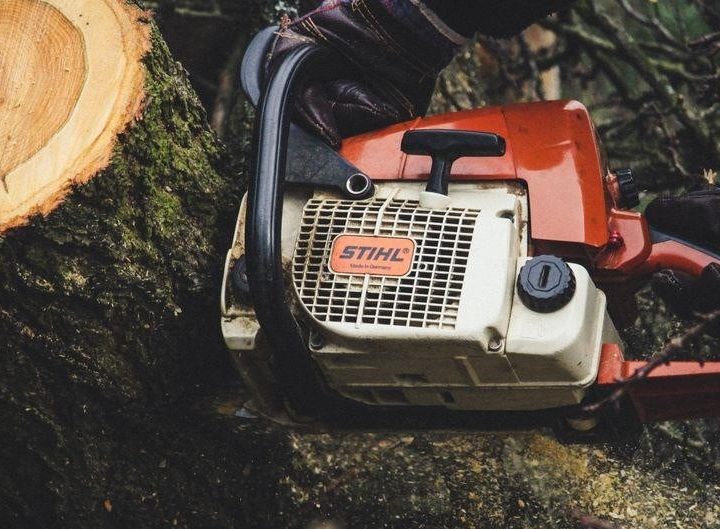 chainsaw lumber cutting guide
  rebol nutrition information pdf
  commercial rental application pdf
  libros de preguntas y respuestas pdf