
USS Constellation-Class Frigate: Keel Laying and Program Overview
The U.S. Navy celebrated a pivotal moment on April 12, 2024, with the keel laying for the inaugural Constellation-class guided-missile frigate (FFG 62), marking a new era.
Historical Context of Frigate Programs
Throughout naval history, frigates have consistently served as versatile multi-mission warships, crucial for commerce raiding, escort duties, and reconnaissance. The U.S. Navy’s embrace of frigates dates back to its earliest days, evolving alongside technological advancements and strategic needs. Post-World War II, the Oliver Hazard Perry-class frigates became the workhorse of the fleet, providing decades of reliable service.
However, the changing global landscape and emerging threats necessitated a new generation of frigates. The Perry-class, while capable, began to show its age, lacking the modern systems required to counter advanced adversaries. This realization spurred the development of the Constellation-class, representing a significant leap forward in frigate design and capability, building upon lessons learned from international designs like the FREMM.
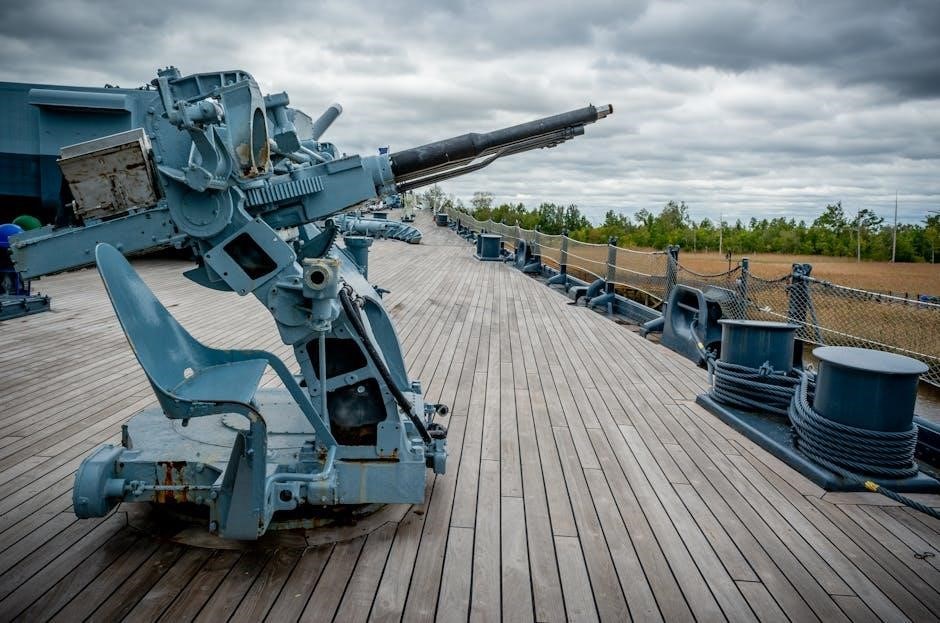
The Need for a New Frigate Class
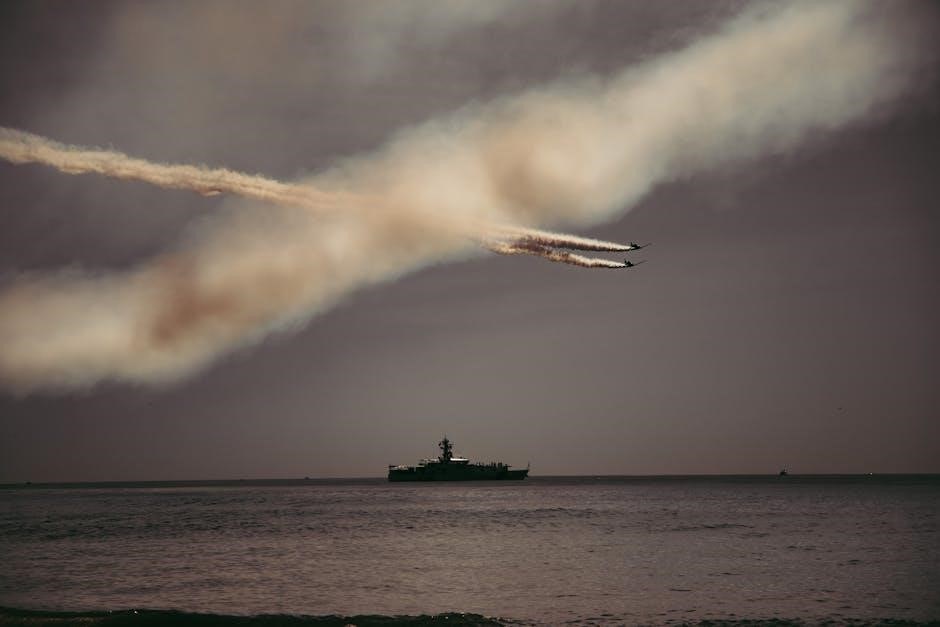
The U.S. Navy faced a growing need for a modern, capable frigate to address evolving threats and fill capability gaps. The retirement of the Oliver Hazard Perry-class frigates created a shortfall in the fleet’s ability to conduct independent operations and provide escort services. Increasing global instability and the rise of peer and near-peer adversaries demanded a warship optimized for anti-submarine warfare, anti-surface warfare, and air defense.
Existing destroyers, while powerful, were becoming increasingly expensive to build and maintain, making them less suitable for routine presence missions. The Constellation-class was conceived as a more affordable and agile alternative, designed to operate effectively in littoral environments and contribute to distributed maritime operations, enhancing the Navy’s overall responsiveness and reach.
Oliver Hazard Perry-Class Frigates: Legacy and Limitations
The Oliver Hazard Perry-class frigates served as the workhorses of the U.S. Navy for decades, providing vital capabilities in anti-submarine warfare and surface combat. These ships were renowned for their versatility and endurance, deployed globally for presence missions, counter-narcotics operations, and maritime security. However, their aging hulls and outdated systems began to present significant limitations.
As technology advanced, the Perry-class struggled to keep pace with emerging threats, particularly in areas like electronic warfare and missile defense. Their limited growth margin hindered the integration of modern sensors and weapons. The final ship of the class was retired in the late 1980s, creating a critical need for a replacement capable of meeting 21st-century challenges, ultimately leading to the Constellation-class program.
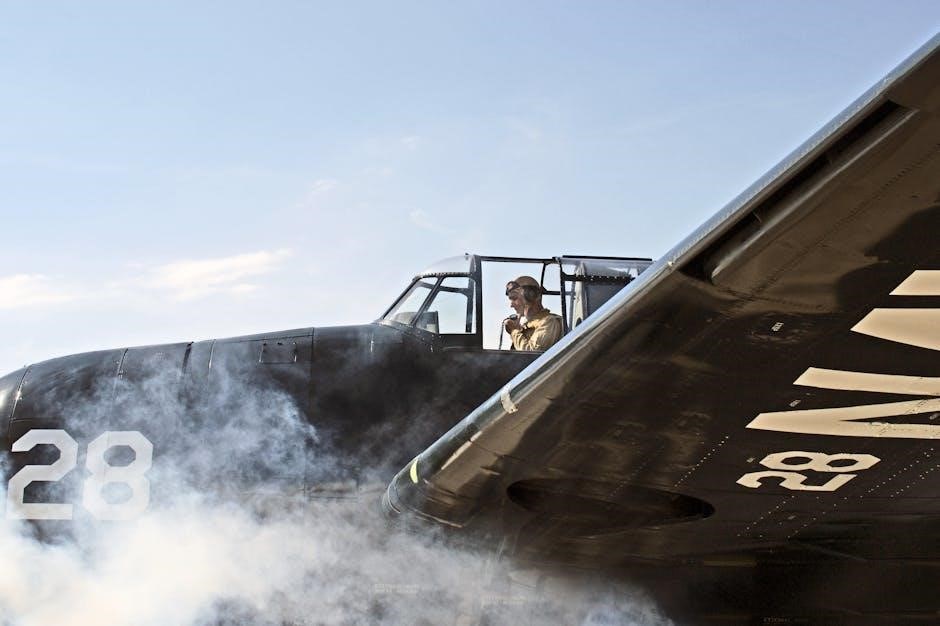
Constellation-Class Frigate: Design and Capabilities
Constellation-class frigates integrate advanced weaponry, radar, and sensors, offering enhanced anti-submarine warfare and air defense capabilities for the modern naval landscape.
General Characteristics and Dimensions
The Constellation-class frigates represent a significant leap forward in naval surface combatants, boasting impressive general characteristics and carefully considered dimensions. These vessels are approximately 496 feet in length, with a beam of 65 feet, and a draft of around 25 feet. Displacement is estimated to be around 15,000 long tons.
These dimensions are crucial for balancing operational range, speed, and payload capacity. The design prioritizes seakeeping ability, ensuring stability and comfort in various maritime conditions. The frigates are designed for a crew complement of approximately 105 sailors, though this number may vary depending on mission requirements and the integration of automated systems.
The overall design philosophy centers on creating a versatile and adaptable platform capable of fulfilling a wide range of missions, from escort duties to independent operations in contested environments. The size and layout are optimized for efficient maintenance and logistical support, contributing to reduced lifecycle costs.
Armament and Weapon Systems
The Constellation-class frigates are heavily armed, designed to effectively counter a diverse array of threats. The primary weapon system is the Mk 41 Vertical Launching System (VLS), capable of carrying a variety of missiles, including Standard Missile-2 (SM-2) for air defense, and potentially Tomahawk Land Attack Cruise Missiles.
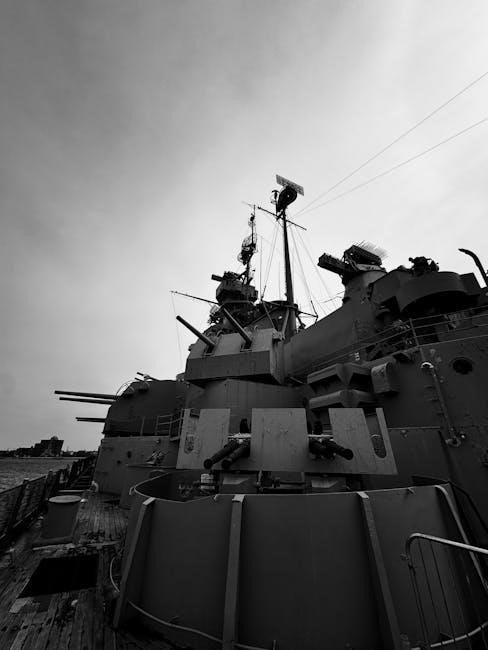
A BAE Systems 5-inch/62 caliber Mk 45 naval gun provides surface warfare capabilities, offering both direct fire support and naval gunfire support. The frigates will also feature close-in weapon systems (CIWS) for defense against incoming anti-ship missiles and other close-range threats.
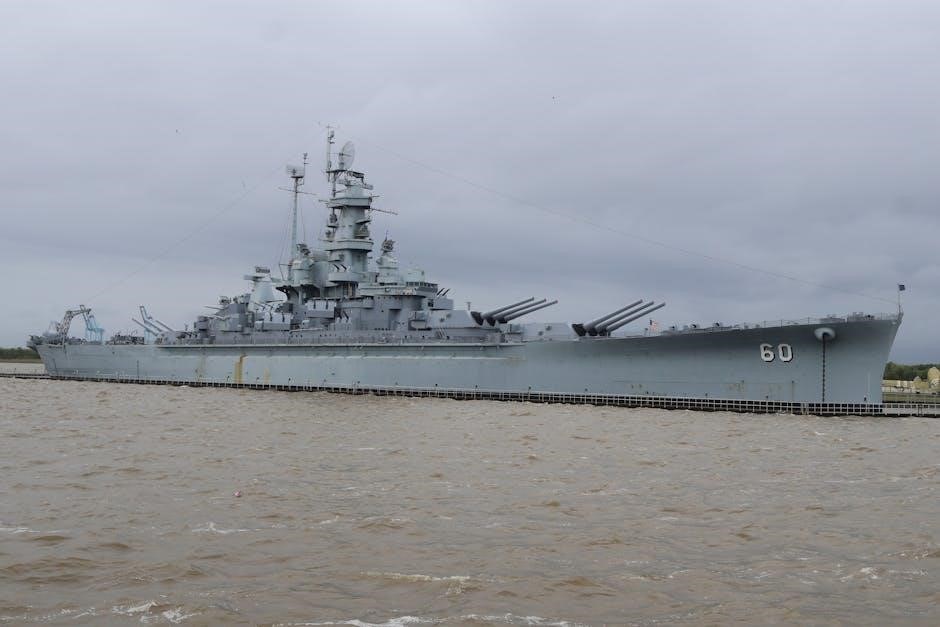
Additionally, the class incorporates advanced anti-submarine warfare (ASW) capabilities, including a towed array sonar and torpedoes. The integration of these diverse weapon systems ensures the Constellation-class can operate effectively in multi-domain environments, providing a robust defense against air, surface, and subsurface threats;

Radar and Sensor Suite
The Constellation-class frigates boast a sophisticated radar and sensor suite, crucial for situational awareness and effective engagement. The centerpiece is the SPY-6(V) Air and Missile Defense Radar, providing exceptional detection and tracking capabilities against airborne threats, even in cluttered environments. This advanced radar significantly enhances the frigate’s defensive capabilities.
Complementing the SPY-6 is an advanced surface search radar, enabling the detection and tracking of surface vessels and potential threats. A robust electronic warfare suite provides self-defense against electronic attacks, while integrated sonar systems – including a hull-mounted sonar and a towed array – deliver comprehensive underwater surveillance.
These sensors feed into a state-of-the-art Combat Information Center (CIC), providing operators with a fused and comprehensive tactical picture, enabling informed decision-making and effective coordination of weapon systems.
Propulsion and Speed
The Constellation-class frigates utilize a combined diesel and gas (CODAG) propulsion system, offering a balance of speed, range, and fuel efficiency. This system integrates a General Electric LM2500+ gas turbine for high-speed transits and combat situations, coupled with diesel engines for economical cruising.
This configuration allows the frigates to achieve speeds exceeding 27 knots, providing rapid response capabilities and the ability to quickly close with potential threats. The CODAG system also contributes to extended operational range, reducing the need for frequent refueling and enhancing the frigate’s endurance on long-duration missions.
Furthermore, the propulsion system is designed for reliability and maintainability, minimizing downtime and maximizing operational availability. This ensures the Constellation-class can consistently fulfill its assigned roles across a wide spectrum of naval operations.
Keel Laying Ceremony Details
The historic keel laying for the future USS Constellation (FFG 62) took place on April 12th at Fincantieri Marinette Marine, Wisconsin, a momentous occasion.
Date and Location of the Keel Laying
The significant keel laying ceremony for the lead ship of the Constellation-class, the future USS Constellation (FFG 62), was formally conducted on April 12, 2024. This crucial milestone in the shipbuilding process took place at the facilities of Fincantieri Marinette Marine (FMM) in Marinette, Wisconsin. Fincantieri Marinette Marine was selected as the prime contractor for the design and construction of this new class of frigates for the U.S. Navy.
The location itself holds considerable importance, as FMM has a long-standing history of building vessels for the Department of Defense. Choosing this shipyard underscores the Navy’s commitment to leveraging established expertise and infrastructure. The date, April 12th, marks a tangible step forward in the program, transitioning from design and planning into the physical construction phase of this vital asset for national defense. This event signifies the beginning of bringing the first of at least twenty frigates to life.
Significance of the Keel Laying Ceremony
The keel laying for the future USS Constellation (FFG 62) represents a monumental achievement for the U.S. Navy and the broader shipbuilding industry. It’s the first new frigate construction since the completion of the Oliver Hazard Perry-class in the late 1980s, signifying a crucial revitalization of this vital ship type. This ceremony isn’t merely symbolic; it formally recognizes the start of the ship’s physical construction, embedding the shipbuilder’s initials into the keel.
More broadly, the event underscores the Navy’s commitment to modernizing its fleet and maintaining maritime superiority. The Constellation-class is designed to address evolving threats and operate effectively in a complex global security environment. The ceremony also highlights the importance of the domestic shipbuilding industrial base, specifically Fincantieri Marinette Marine, and its role in supporting national security. It’s a public demonstration of progress towards a fleet of at least twenty advanced frigates.
Fincantieri Marinette Marine’s Role
Fincantieri Marinette Marine (FMM) plays a central and critical role in the Constellation-class frigate program, serving as the prime contractor for the design, construction, and delivery of these advanced warships. The Wisconsin-based shipyard was selected due to its proven capabilities in building complex naval vessels and its established relationship with the U.S. Navy. FMM is responsible for all aspects of the shipbuilding process, from initial design refinements based on the FREMM multi-mission frigate to final sea trials.
The company’s involvement extends beyond mere construction; FMM is actively integrating cutting-edge technologies and employing advanced manufacturing techniques, including extensive 3-D modeling and prototyping, to enhance efficiency and reduce risks. Their expertise is vital for delivering these frigates on schedule and within budget, bolstering the nation’s naval capabilities and supporting a robust domestic shipbuilding industrial base.
Construction and Production Schedule
Currently, six Constellation-class frigates have been procured through fiscal year 2024, with ambitious plans calling for a fleet of at least twenty vessels.
Current Number of Frigates Procured
As of recent reports, the U.S. Navy has committed to the procurement of six Constellation-class frigates (FFG 62) through the fiscal year 2024. This initial investment signifies a dedicated effort to modernize the fleet and address emerging naval challenges. The first frigate, USS Constellation, is currently under construction at Fincantieri Marinette Marine, with its keel officially laid on April 12, 2024.
This procurement represents a substantial step forward after a period without new frigate construction since the late 1980s, when the final Oliver Hazard Perry-class ships were completed. The Navy’s commitment extends beyond these initial six, demonstrating a long-term vision for a robust and capable frigate force. These early procurements are crucial for establishing the production line and refining construction processes before scaling up to meet the larger fleet requirements.
Future Procurement Plans (20+ Frigates)
Current Navy strategic planning calls for procuring a total of at least twenty Constellation-class frigates (FFG 62) to fully realize the program’s potential and address evolving maritime security needs. This ambitious goal reflects a commitment to building a substantial and modern frigate fleet capable of operating globally. Beyond the initial six frigates funded through FY2024, the Navy intends to continue requesting funding for additional vessels in future budget cycles.
Achieving this 20+ frigate goal is vital for maintaining naval dominance and supporting a distributed maritime operations concept. The increased number of frigates will enhance the Navy’s ability to conduct independent operations, escort high-value assets, and respond rapidly to crises around the world. This long-term investment underscores the importance of the Constellation-class as a cornerstone of the future U.S. Navy.
Construction Challenges and Mitigation Strategies
Building ships quickly, like the Constellation-class frigates, presents inherent challenges. Fincantieri Marinette Marine is actively employing extensive 3-D modeling and prototyping techniques to streamline the construction process and identify potential issues early on. A crucial element is robust risk reduction analysis throughout shipbuilding, aiming to minimize delays and cost overruns.
Supply chain vulnerabilities and skilled labor shortages represent ongoing concerns within the shipbuilding industry. Mitigation strategies include proactive material procurement, fostering partnerships with suppliers, and investing in workforce development programs. These efforts are designed to ensure a consistent flow of materials and a qualified workforce capable of meeting the demands of the Constellation-class program. Continuous monitoring and adaptive planning are essential for navigating these complexities.

Technological Advancements in Construction
Fincantieri Marinette Marine leverages extensive 3-D modeling, prototyping, and detailed risk reduction analysis to accelerate the Constellation-class frigate’s build process efficiently.
Use of 3-D Modeling and Prototyping
The construction of the Constellation-class frigates heavily relies on cutting-edge 3-D modeling and prototyping techniques, representing a significant leap forward in naval shipbuilding. Fincantieri Marinette Marine is employing these digital tools to meticulously plan and visualize every aspect of the vessel’s construction before physical work commences. This approach allows for early identification and resolution of potential design flaws or integration challenges, ultimately streamlining the building process.
Detailed digital models facilitate precise component fabrication and assembly, minimizing errors and reducing rework. Prototyping, both physical and virtual, is used extensively to validate designs and test critical systems. This iterative process ensures that the final product meets the Navy’s stringent requirements for performance and reliability. By embracing these technologies, the program aims to accelerate construction timelines and deliver capable frigates to the fleet more quickly.
Risk Reduction Analysis in Shipbuilding
A core component of the Constellation-class frigate program is a robust risk reduction analysis integrated throughout the shipbuilding process. Recognizing the complexities of modern naval construction, Fincantieri Marinette Marine proactively identifies potential challenges – from supply chain disruptions to technical integration hurdles – and develops mitigation strategies. This systematic approach minimizes unforeseen delays and cost overruns.
The analysis encompasses a wide range of factors, including material availability, manufacturing processes, and system compatibility. By thoroughly assessing these risks early on, the program team can implement preventative measures, such as alternative sourcing options or design modifications. This dedication to proactive risk management is crucial for ensuring the timely and efficient delivery of these vital warships to the U.S. Navy, bolstering national security and maintaining a competitive edge.
FREMM Evo Frigate Comparison
The Constellation-class shares design elements with the Italian FREMM Evo frigate, benefiting from international collaboration and proven naval technologies for enhanced capabilities.
Similarities and Differences with Italian FREMM Design
The Constellation-class frigate draws heavily from the Italian FREMM (Frégate Européenne Multi-Mission) design, particularly the FREMM Evo variant, representing a significant transatlantic collaboration in naval engineering. Both classes share a common hull form and incorporate advanced modular designs for adaptability. However, key distinctions exist to meet specific U.S. Navy requirements.
Notably, the Constellation-class integrates the U.S. Navy’s Aegis Combat System, a sophisticated radar and weapon control system, differing from the FREMM’s alternative systems. Furthermore, the American frigate features an increased displacement and incorporates unique U.S.-specific weaponry and sensors. While the FREMM Evo’s keel laying occurred recently, showcasing parallel development, the Constellation-class prioritizes anti-submarine warfare capabilities, reflecting evolving naval priorities. These modifications ensure the Constellation-class is optimized for the unique operational demands of the U.S. Navy, building upon a successful European foundation.
Impact of International Collaboration
The Constellation-class frigate program exemplifies the substantial benefits of international naval collaboration, specifically with Italy and Fincantieri Marinette Marine. Leveraging the proven FREMM design significantly reduced development time and associated costs for the U;S. Navy, avoiding a complete ground-up design process. This partnership facilitated the transfer of valuable shipbuilding expertise and best practices, enhancing American industrial capabilities.
Fincantieri’s role as the prime contractor demonstrates a commitment to transatlantic defense cooperation. The shared design elements, while adapted for U.S. needs, promote interoperability with allied navies operating FREMM frigates. This collaboration extends beyond construction, encompassing ongoing knowledge exchange and potential future joint development efforts. The program underscores how leveraging existing, successful designs can accelerate naval modernization and strengthen alliances, fostering a more secure maritime environment.
Political and Economic Considerations
The Constellation-class procurement, with plans for 20+ frigates, supports the domestic shipbuilding base and reflects evolving presidential priorities regarding naval strength.
Influence of Presidential Administrations on Naval Programs
Naval programs, like the Constellation-class frigate, are significantly shaped by the priorities of successive presidential administrations. The initiation of the program in FY2020 and subsequent procurement of six frigates through FY2024 demonstrate a commitment to modernizing the fleet. Notably, commentary suggests a potential influence from President-Elect Trump’s focus on addressing perceived “excesses and failures” within naval acquisitions, potentially driving a need for more fiscally responsible and efficient shipbuilding.
Changes in administration can lead to shifts in budget allocations and program emphasis. While the current plan calls for at least 20 Constellation-class frigates, future administrations could adjust these numbers based on evolving geopolitical landscapes and budgetary constraints. The ongoing debate surrounding naval force structure and the balance between manned and unmanned vessels further illustrates how presidential policies directly impact long-term shipbuilding plans and the overall direction of the Navy.
Cost Analysis and Budget Allocation
The Constellation-class frigate program represents a substantial investment for the U.S. Navy, requiring careful cost analysis and strategic budget allocation. As of FY2024, six frigates have been procured, signaling a dedicated financial commitment. However, the planned expansion to 20+ frigates necessitates sustained funding over multiple budget cycles. Efficient shipbuilding practices, like those employed by Fincantieri Marinette Marine – utilizing 3-D modeling and risk reduction analysis – are crucial for controlling costs.
Budgetary pressures and competing priorities within the Department of Defense will inevitably influence the program’s trajectory. Maintaining a robust domestic shipbuilding industrial base, as exemplified by Fincantieri’s role, is also a key consideration impacting overall program expenses. The program’s success hinges on balancing capability requirements with affordability, ensuring long-term sustainability and maximizing the return on investment for the taxpayer.
Domestic Shipbuilding Industrial Base Support
The Constellation-class frigate program is intrinsically linked to bolstering the U.S. domestic shipbuilding industrial base. Awarding the contract to Fincantieri Marinette Marine directly supports American jobs and expertise. This program isn’t merely about acquiring new warships; it’s about preserving and enhancing a critical national capability. A strong shipbuilding sector is vital for national security, reducing reliance on foreign sources and ensuring responsiveness during crises.
Continued procurement of these frigates – with plans exceeding 20 vessels – provides a stable workload for Marinette Marine and its extensive supply chain. Investment in advanced shipbuilding technologies, such as 3-D modeling and prototyping, further strengthens the industrial base. Supporting this infrastructure is paramount, ensuring the U.S. Navy maintains a competitive edge and the nation retains its capacity to design, build, and maintain modern naval vessels.
 princeton guide to historical research
  pathfinder bard guide
  guiding light alan spaulding
  jewelry gift guide
  avatar frontiers of pandora trophy guide
  self portrait size guide
  instructions for tiger rice cooker
  clip jam user manual
  canadian army cadet uniform guide
  canadian electrical code part 1 pdf free download