
Instructional Coaching Professional Development: A Comprehensive Plan
Instructional coaching aims to bridge achievement gaps and accelerate learning, utilizing models like educational, teaching, and group approaches for impactful teacher growth.
Instructional coaching represents a powerful professional learning model focused on enhancing teaching quality and, ultimately, student outcomes. It’s a shift from traditional “top-down” professional development to a more individualized, job-embedded approach. Unlike workshops or one-size-fits-all training, coaching centers on supporting teachers within their own classrooms, addressing specific needs and goals.
Effective instructional coaching isn’t about fixing perceived deficiencies; it’s about empowering educators to refine their practice through collaborative exploration and reflection. Several models exist – educational, teaching, and group – each offering unique benefits. The core principle involves a partnership between a coach and a teacher, fostering a culture of continuous improvement and evidence-based decision-making. This targeted support directly impacts classroom instruction and student achievement.
The Core Purpose of Instructional Coaching

The central aim of instructional coaching is to close the student achievement gap and accelerate learning for all students. This is achieved by improving the quality of teaching through focused, individualized support. It’s not about evaluating teachers, but rather about collaboratively identifying areas for growth and implementing strategies to enhance their practice.
Coaching prioritizes a learner-centered approach, recognizing each teacher’s unique strengths and weaknesses. It emphasizes small, personalized steps for practice enhancement, fostering a continuous cycle of improvement. Group coaching models further amplify impact, generating collective evidence of success and promoting peer learning. Ultimately, the core purpose is to empower teachers to become more effective, leading to positive outcomes for students.
The Impact of Instructional Coaching on Student Achievement
Instructional coaching’s influence on student outcomes is significant, stemming from improved teacher effectiveness. By focusing on specific areas for improvement, coaching directly impacts classroom practice and, consequently, student learning. Group instructional coaching models are particularly powerful, as they generate collective evidence of positive change in student achievement.
Measuring this impact involves tracking student data, gathering teacher feedback through surveys, and observing demonstrable changes in teaching strategies. Successful coaching leads to accelerated learning and a narrowing of achievement gaps. The collaborative nature of coaching fosters a culture of continuous improvement, benefiting both teachers and students. Ultimately, the goal is sustained, positive change in student performance.

Models of Instructional Coaching

Various models exist, including educational, teaching, and group coaching, each designed to enhance teacher practice and student outcomes through targeted support systems.
Educational Coaching Model
The Educational Coaching Model centers on a collaborative partnership between the coach and teacher, deeply rooted in adult learning principles. This approach prioritizes the teacher’s professional growth, focusing on improving instructional practices to positively impact student achievement. It’s characterized by a non-evaluative stance, fostering a safe space for vulnerability and experimentation.
Coaches utilizing this model act as facilitators, guiding teachers through a process of self-reflection and inquiry. They support teachers in analyzing student data, identifying areas for improvement, and implementing evidence-based strategies. The emphasis is on building teacher capacity and fostering a culture of continuous learning within the school environment. This model often involves co-planning, co-teaching, and modeling effective instructional techniques, ultimately empowering teachers to become reflective practitioners.
Teaching Coaching Model
The Teaching Coaching Model distinguishes itself by its direct focus on specific classroom practices and instructional techniques. Unlike the broader educational coaching approach, this model dives deep into the “how” of teaching, often involving intensive observation and feedback cycles. Coaches in this model frequently demonstrate best practices, offering concrete examples and modeling effective strategies for teachers to emulate.
This approach is particularly useful when addressing specific skill gaps or implementing new curriculum initiatives. The coach provides targeted support, helping teachers refine their delivery, classroom management, and assessment methods. It’s a more directive style, though still collaborative, with the coach acting as a resource and expert. The ultimate goal is to enhance teaching effectiveness and directly improve student outcomes through focused skill development.
Group Instructional Coaching Model
Group Instructional Coaching offers a collaborative alternative to one-on-one support, bringing teachers together to collectively address common challenges and refine their practice. This model naturally fosters a community of learners, allowing educators to share insights, observe each other’s classrooms, and engage in peer-to-peer feedback. The coach facilitates these sessions, guiding discussions and providing targeted professional development based on the group’s identified needs.
A significant benefit of this approach is the generation of collective evidence of coaching impact on student learning. By analyzing data from multiple classrooms, coaches can identify trends and refine strategies more effectively. This model is particularly valuable for school-wide initiatives or when addressing systemic instructional issues, promoting a unified and impactful approach to improvement.
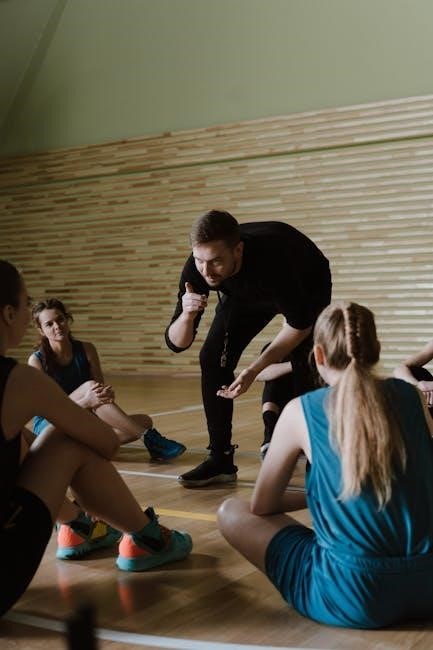
Key Principles of Effective Instructional Coaching
Effective coaching prioritizes a learner-centered approach, focusing on specific areas for improvement and enabling teachers to take personalized steps toward practice enhancement.
Learner-Centered Approach
A truly effective instructional coaching model fundamentally centers on the needs, strengths, and areas for growth of the teacher as the primary learner. This isn’t about dictating best practices, but rather facilitating a collaborative process where the coach acts as a supportive partner. Understanding a teacher’s individual context – their students, subject matter, and existing skillset – is paramount.
Coaching should be tailored to address specific challenges and aspirations, acknowledging that a one-size-fits-all approach is rarely successful. By prioritizing the teacher’s voice and perspective, coaches foster a sense of ownership and empower educators to drive their own professional development. This approach builds trust and encourages a willingness to experiment and refine instructional strategies, ultimately benefiting student learning.
Focus on Specific Areas for Improvement
Instructional coaching achieves maximum impact when it concentrates on a single, well-defined area for growth, such as reading instruction or classroom management. Avoiding broad, sweeping goals allows for a more targeted and manageable approach. This focused lens enables the coach and teacher to delve deeply into specific practices, analyze data effectively, and implement targeted interventions.
Rather than attempting to overhaul an entire teaching style, the emphasis is on refining particular skills or strategies. This incremental approach fosters a sense of progress and builds confidence. By addressing one specific challenge at a time, teachers are more likely to sustain changes and integrate new techniques into their daily routines, leading to lasting improvements in student outcomes.
Personalized Steps for Practice Enhancement
Effective instructional coaching prioritizes individualized growth, recognizing that each teacher possesses unique strengths and areas for development. A one-size-fits-all approach is rarely successful; instead, coaching should be tailored to the specific needs and context of the teacher. This involves collaboratively identifying small, achievable steps that will lead to noticeable improvements in practice.
These steps should be personalized, building upon the teacher’s existing skills and addressing their particular challenges. The coach acts as a facilitator, guiding the teacher through a process of self-reflection and experimentation. This collaborative approach empowers teachers to take ownership of their professional growth and fosters a sense of agency, ultimately leading to more sustainable and impactful changes in the classroom.

The Coaching Cycle
The coaching cycle involves goal setting, observation, data analysis, action planning, and reflection—a continuous process for teachers to refine their instructional skills.
Establishing Goals and Identifying Needs
Goal establishment is the foundational step, requiring collaborative conversations between coach and teacher to pinpoint specific, measurable areas for growth. This process moves beyond generalized concerns, focusing instead on a single, impactful aspect of instruction – perhaps reading strategies or classroom management techniques.
Needs identification stems from analyzing student data, observing classroom practices, and gathering teacher self-assessments. A learner-centered approach ensures goals align with both student requirements and the teacher’s existing strengths. Effective goals are personalized, achievable, and directly linked to improved student outcomes. This initial phase sets the trajectory for a focused and productive coaching partnership, ensuring efforts are targeted and meaningful.
Observation and Data Collection
Systematic observation forms the core of understanding classroom dynamics and instructional practices. Utilizing established protocols and checklists ensures objectivity and focuses attention on pre-determined areas aligned with established goals. Data collection extends beyond anecdotal notes, encompassing student work samples, assessment results, and engagement metrics.
This multifaceted approach provides a comprehensive picture of teaching and learning. Coaches must be skilled in gathering both quantitative and qualitative data, recognizing patterns and identifying areas for further exploration. Effective data collection isn’t evaluative; it’s diagnostic, aiming to illuminate strengths and pinpoint specific areas where targeted support can maximize impact on student achievement and teacher growth.
Collaborative Analysis of Data
Data analysis isn’t a solo endeavor; it’s a collaborative process between the coach and teacher. This joint examination fosters ownership and ensures interpretations are grounded in classroom realities; Coaches guide teachers in identifying trends, patterns, and potential implications revealed by the collected data, avoiding judgment and focusing on objective findings.
The goal is to move beyond simply seeing the data to understanding its meaning. This involves asking probing questions, exploring potential root causes of observed patterns, and collectively constructing a narrative that informs subsequent action planning. This collaborative spirit builds trust and empowers teachers to become reflective practitioners, driving their own professional growth.
Action Planning and Implementation
Action planning stems directly from the collaborative data analysis, focusing on small, personalized steps for practice enhancement. The coach and teacher co-create a plan with clearly defined, achievable goals, avoiding overwhelming changes. These steps should directly address the identified areas for improvement, ensuring relevance and impact.
Implementation requires ongoing support and check-ins. The coach acts as a sounding board, offering resources and encouragement as the teacher puts the plan into action. It’s crucial to acknowledge challenges and adjust the plan as needed, fostering a flexible and responsive approach. This phase emphasizes consistent effort and a commitment to continuous improvement.
Reflection and Refinement
Reflection is a pivotal stage, encouraging teachers to critically examine the impact of implemented actions on student learning and their own practice. This isn’t about judgment, but honest self-assessment – what worked, what didn’t, and why? Coaches facilitate this process with probing questions, promoting deeper understanding.
Refinement builds upon reflection. Based on observed outcomes and teacher insights, the action plan is adjusted. This iterative cycle – plan, implement, reflect, refine – is central to sustained growth. It acknowledges that improvement isn’t linear and embraces adaptability. Continuous refinement ensures the coaching remains relevant and responsive to evolving needs, maximizing impact on classroom practice.
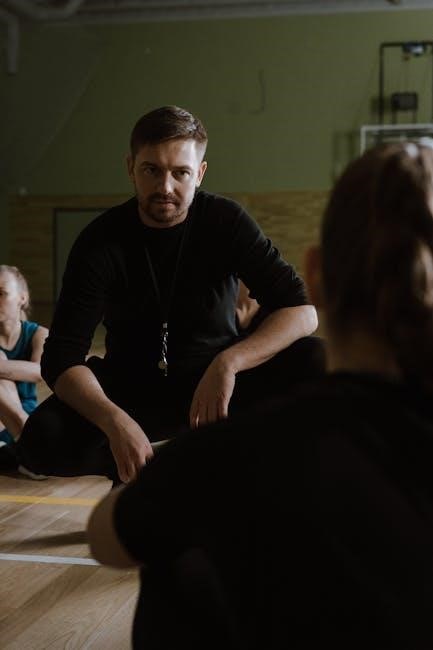
Professional Development for Instructional Coaches
Coaches require training in models, observation techniques, data analysis, communication, and building trust to effectively support teachers and enhance instructional practices.
Training on Coaching Models
Comprehensive training on various instructional coaching models – educational, teaching, and group – is paramount for coach effectiveness. This involves deep dives into the philosophical underpinnings of each model, understanding their unique strengths, and recognizing when to strategically apply them. Coaches must learn to differentiate between these approaches, considering the specific needs of teachers and the context of their schools.
Furthermore, training should emphasize the practical implementation of each model, including role-playing scenarios and case studies. Exploration of learner-centered approaches is crucial, ensuring coaches prioritize teacher needs and strengths. Understanding how these models contribute to closing achievement gaps and accelerating student learning is also essential, solidifying the purpose behind the coaching process.

Developing Observation Skills
Robust training in observation techniques is fundamental for instructional coaches. This extends beyond simply “watching” a lesson; it requires learning to identify specific instructional practices, focusing on areas for improvement as agreed upon with the teacher. Coaches need to be proficient in utilizing observation protocols and checklists to ensure objectivity and consistency in data collection.
Effective observation training emphasizes non-evaluative language and focuses on gathering descriptive data, not making judgments. Coaches should practice observing with a growth mindset, seeking evidence of effective teaching alongside areas for development. Skill development includes accurately recording observations and preparing to collaboratively analyze data with teachers, fostering a trusting and supportive environment.
Data Analysis Techniques for Coaches
Instructional coaches require specialized training in data analysis to move beyond simple observation to informed action planning. This includes understanding various data sources – student work, assessment results, and classroom observation notes – and how to interpret them effectively. Coaches must learn to identify patterns and trends within the data, pinpointing specific areas where teachers could benefit from targeted support.
Proficiency in utilizing data tracking and analysis platforms is crucial. Training should cover techniques for disaggregating data to reveal inequities and inform differentiated instruction. The goal is to collaboratively analyze data with teachers, fostering ownership and empowering them to make data-driven decisions to improve student outcomes and refine their practice.
Facilitation and Communication Skills
Effective instructional coaching hinges on strong facilitation and communication abilities. Coaches must be adept at creating a safe and non-judgmental space where teachers feel comfortable reflecting on their practice and exploring new strategies. This requires active listening, powerful questioning techniques, and the ability to provide constructive feedback that is both specific and actionable.
Training should emphasize techniques for leading collaborative conversations, guiding teachers through the data analysis process, and co-constructing action plans. Coaches need to master communication strategies that build trust and rapport, fostering a partnership based on mutual respect and a shared commitment to student success. Skilled facilitation unlocks teacher agency and promotes lasting growth.
Building Trust and Rapport with Teachers
Establishing trust is paramount in instructional coaching; it’s the foundation for open communication and vulnerability. Professional development must prioritize strategies for coaches to build genuine rapport with teachers, demonstrating empathy, respect, and a genuine interest in their professional growth. This involves active listening, confidentiality, and consistently following through on commitments.
Training should cover techniques for navigating difficult conversations, addressing resistance, and fostering a collaborative partnership. Coaches need to understand the importance of building relationships based on mutual trust and respect, creating a safe space where teachers feel comfortable taking risks and seeking support. A strong rapport unlocks deeper learning and sustained improvement.

Tools and Resources for Instructional Coaches
Effective coaching relies on data platforms, observation checklists, and strategy libraries to track progress, analyze classroom practices, and support teacher development.
Data Tracking and Analysis Platforms
Robust data platforms are essential for instructional coaches, enabling systematic collection and insightful analysis of student performance metrics. These tools move beyond simple spreadsheets, offering visualizations and reporting features to pinpoint trends and areas needing focused intervention. Coaches can leverage these platforms to monitor the impact of coaching cycles, tracking student growth related to specific instructional strategies implemented by teachers.
Furthermore, these systems facilitate collaborative data analysis between coaches and teachers, fostering a shared understanding of student needs and progress. Integration with existing school data systems streamlines the process, reducing administrative burden and ensuring data accuracy. Examples include platforms offering real-time dashboards, customizable reports, and the ability to disaggregate data by various student subgroups, ultimately informing targeted professional development and instructional adjustments.
Observation Protocols and Checklists
Standardized observation protocols provide a structured framework for instructional coaches to gather objective data during classroom visits. These aren’t about judgment, but rather focused documentation of specific teaching practices aligned with agreed-upon goals. Checklists, often integrated within these protocols, ensure consistency and reliability in observations, covering elements like lesson clarity, student engagement, and effective questioning techniques.
Well-designed protocols move beyond simply noting what happened to analyzing how it impacted student learning. They should be collaboratively developed with teachers to foster buy-in and a sense of shared ownership. Utilizing these tools allows coaches to provide specific, actionable feedback, grounded in evidence, promoting targeted professional growth and ultimately enhancing classroom instruction for improved student outcomes.
Resource Libraries for Instructional Strategies
Comprehensive resource libraries are vital for instructional coaches, offering a curated collection of research-based strategies and materials. These libraries should encompass diverse approaches – from differentiated instruction and formative assessment techniques to specific content-area best practices. Access to articles, videos, lesson plan templates, and relevant websites empowers coaches to support teachers in implementing innovative methods.
Effective libraries aren’t static; they evolve based on teacher needs and emerging research. Coaches should actively contribute to and maintain these resources, ensuring accessibility and relevance. A well-maintained library fosters a culture of continuous learning, providing teachers with the tools to refine their practice and positively impact student achievement through evidence-based instructional strategies.

Measuring the Success of Instructional Coaching
Success is measured through student achievement data, teacher feedback via surveys, and observable evidence of coaching’s positive impact on classroom instructional practices.
Tracking Student Achievement Data
Analyzing student achievement data is paramount to evaluating coaching effectiveness. This involves consistently monitoring key performance indicators – test scores, grades, and formative assessment results – before, during, and after coaching interventions. Establishing a baseline is crucial for demonstrating growth.
Coaches and teachers should collaboratively examine this data, looking for trends and patterns that indicate improvement in student learning. Disaggregated data, broken down by student subgroups, can reveal whether coaching is equitably benefiting all learners. It’s not solely about overall scores; focusing on growth for individual students is equally important.
Regular data reviews provide opportunities to refine coaching strategies and ensure alignment with school-wide goals. This data-driven approach strengthens the case for continued investment in instructional coaching programs and demonstrates their tangible impact on student success.
Teacher Feedback and Surveys
Gathering teacher feedback is essential for gauging the perceived value and impact of instructional coaching. Regular surveys, both formal and informal, provide valuable insights into the coaching experience. Questions should focus on the coach’s effectiveness, the relevance of coaching cycles, and the support provided for implementing new strategies.
Confidentiality is key to encouraging honest responses. Feedback should also be solicited through one-on-one conversations and focus groups, allowing for more nuanced discussion. Analyzing this qualitative data reveals areas of strength and opportunities for improvement in the coaching program.
Positive feedback reinforces effective practices, while constructive criticism guides adjustments. Ultimately, teacher input ensures the coaching program remains responsive to their needs and fosters a collaborative partnership focused on continuous growth.
Evidence of Coaching Impact on Classroom Practice
Demonstrating the impact of instructional coaching requires collecting tangible evidence of changes in classroom practice. This goes beyond anecdotal observations and relies on observable shifts in teaching behaviors. Look for implementation of strategies discussed during coaching sessions, refined lesson plans, and increased student engagement.
Classroom walkthroughs, utilizing observation protocols, can document these changes. Analyzing student work samples before and after coaching provides further evidence of improvement. Group instructional coaching naturally generates evidence as teachers collaborate and share successful strategies.
Documenting these changes builds a compelling case for the value of coaching and informs future professional development efforts. This evidence-based approach ensures coaching remains focused on practices that demonstrably improve teaching and learning.
 instructions for tiger rice cooker
  instructions for mobi thermometer
  instructions for form 8867
  instructions for telestrations
  vios nebulizer instructions
  clip jam user manual
  canadian army cadet uniform guide
  canadian electrical code part 1 pdf free download