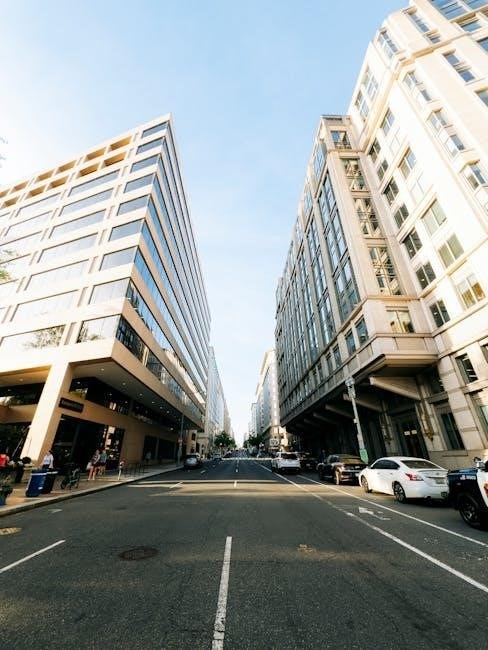
The official 2025 DC DMV Handbook is crucial for aspiring drivers, offering rules and practices for safe operation within the District.
This manual, available on the DMV website and as a 2022 color print edition, prepares individuals for licensing and promotes responsible driving habits.
Purpose of the Manual
The primary goal of the District of Columbia Driver’s Manual is to equip residents with the necessary knowledge to successfully obtain a driver’s license.
Beyond qualification, the manual fosters safe driving practices, ensuring all operators understand and adhere to DC traffic laws and regulations.
It serves as a comprehensive guide, covering everything from right-of-way rules to emergency procedures, ultimately contributing to safer roads for everyone.
The 2025 edition, and previous versions, aim to reduce accidents and promote responsible behavior behind the wheel.
Where to Find the Official DC DMV Manual
The official District of Columbia DMV Driver’s Manual is readily accessible through multiple channels. You can find a digital version directly on the DC DMV website at dmv.dc.gov.
Additionally, a current 2022 color print edition is available for purchase on Amazon.com.
DriverZ also offers a free DC DMV manual online.
These resources provide convenient access to the latest rules and regulations for DC drivers, ensuring you have the information needed to prepare for licensing.
Manual Updates and Revision Dates
Staying current with the DC DMV Driver’s Manual is vital, as traffic laws and regulations can change. The most recently referenced official handbook is dated March 2022, available in full color print.
However, resources indicate a 2025 version exists digitally, as noted on Driving-Tests.org.
It’s crucial to verify the publication date when accessing the manual online.
Regular updates ensure drivers have the most accurate information for safe and legal operation within the District of Columbia.
Obtaining a Learner’s Permit
Securing a learner’s permit in DC requires meeting eligibility criteria, providing necessary documentation, and successfully passing a knowledge test, as outlined by the DMV.
Eligibility Requirements for a Learner’s Permit
To qualify for a DC learner’s permit, applicants must be at least 15 years and 6 months old. Individuals under 18 require a parent or legal guardian’s consent.
Applicants must demonstrate proof of identity, Social Security number, and DC residency.
Vision screening is also a mandatory component of the eligibility process.
Furthermore, prospective drivers must not have any suspensions or revocations on their driving record in any state.
Successfully meeting these requirements is the first step towards obtaining driving privileges in the District of Columbia.
Required Documents for Permit Application
Applying for a DC learner’s permit necessitates presenting several key documents. Proof of identity, such as a birth certificate or passport, is essential.
Applicants must also provide their Social Security card or documentation verifying their Social Security number.
Two proofs of DC residency, like utility bills or school records, are required.
If under 18, a signed consent form from a parent or guardian is mandatory.
Ensure all documents are original or certified copies to avoid application delays.
The Learner’s Permit Test: What to Expect
The DC learner’s permit test is a computer-based exam assessing your knowledge of traffic laws, road signs, and safe driving practices.
Expect multiple-choice questions derived directly from the official DC DMV Handbook.
Practice tests are readily available online through the DMV website and Driving-Tests.org to aid preparation.
A passing score is required to obtain your permit, demonstrating a fundamental understanding of driving regulations.
Review the handbook thoroughly and familiarize yourself with common road scenarios.
Restrictions with a Learner’s Permit
Holding a DC learner’s permit comes with specific restrictions to ensure safety while gaining driving experience.
You must always be accompanied by a licensed driver who is at least 21 years old and has a valid driver’s license.
Permit holders are prohibited from driving alone.
There may be limitations on driving hours, particularly regarding nighttime operation.
Adhering to these restrictions is crucial for maintaining your permit and progressing towards a full driver’s license.
Understanding DC Traffic Laws
DC traffic laws cover right-of-way, speed limits, signals, and lane usage.
The DMV handbook details these regulations, ensuring drivers understand and comply with the District’s rules of the road.
Right-of-Way Rules in the District of Columbia
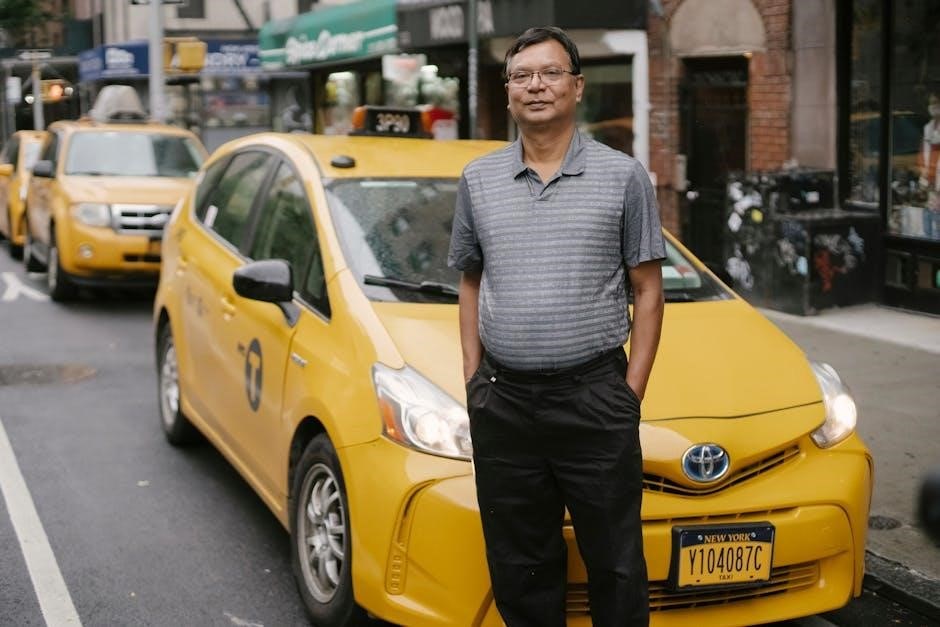
Understanding right-of-way is paramount for safe driving in DC, as detailed in the official DMV manual. Generally, vehicles must yield to pedestrians in crosswalks and to traffic already lawfully within an intersection.
When approaching a stop sign, the first vehicle to arrive has the right-of-way. Uncontrolled intersections require drivers to yield to the vehicle on the right.
Emergency vehicles, with sirens and lights activated, always possess the right-of-way, demanding immediate and safe yielding from all other traffic.
Speed Limits and Regulations
The DC DMV manual outlines specific speed limits for various roadways within the District of Columbia. Generally, the speed limit in residential areas is 25 mph, while business districts typically have a 30 mph limit.
Major arterial roads may allow for 35-45 mph, and certain highways could have higher limits, clearly posted with signage.
Drivers must adhere to these limits and adjust speed based on weather conditions and traffic flow. Excessive speed is a major contributing factor to accidents and is strictly enforced;
Traffic Signals and Signs
The DC DMV Driver’s Manual thoroughly explains traffic signal meanings, including red, yellow, and green lights, as well as flashing signals and pedestrian signals. Understanding right-of-way rules at intersections is critical for safe navigation.
The manual details various traffic signs – regulatory, warning, and guide signs – and their specific meanings.
Drivers must recognize and obey all traffic signals and signs to prevent collisions and ensure orderly traffic flow throughout the District of Columbia.
Lane Usage and Markings
The District of Columbia Driver’s Manual provides detailed guidance on proper lane usage, emphasizing the importance of staying in the correct lane for your intended direction of travel. It explains the significance of various lane markings, including solid and broken lines.
Drivers learn to interpret markings indicating HOV lanes, turning lanes, and prohibited maneuvers.
Understanding these markings is crucial for safe and efficient navigation, preventing accidents, and adhering to DC traffic regulations.
Safe Driving Practices
The DC DMV Manual stresses defensive driving, awareness of distractions, and adherence to DUI and seat belt laws for all District of Columbia drivers.
Defensive Driving Techniques
The District of Columbia Driver Manual emphasizes proactive driving strategies. Anticipate potential hazards, maintain a safe following distance, and constantly scan your surroundings.
Be aware of other drivers’ actions and potential mistakes.
Minimize distractions, including cell phone use, and always signal your intentions clearly.
Adjust your driving to weather conditions and road hazards.
Regularly check mirrors and be prepared to react to unexpected situations, prioritizing safety for yourself and others on DC roadways.
Distracted Driving Laws in DC
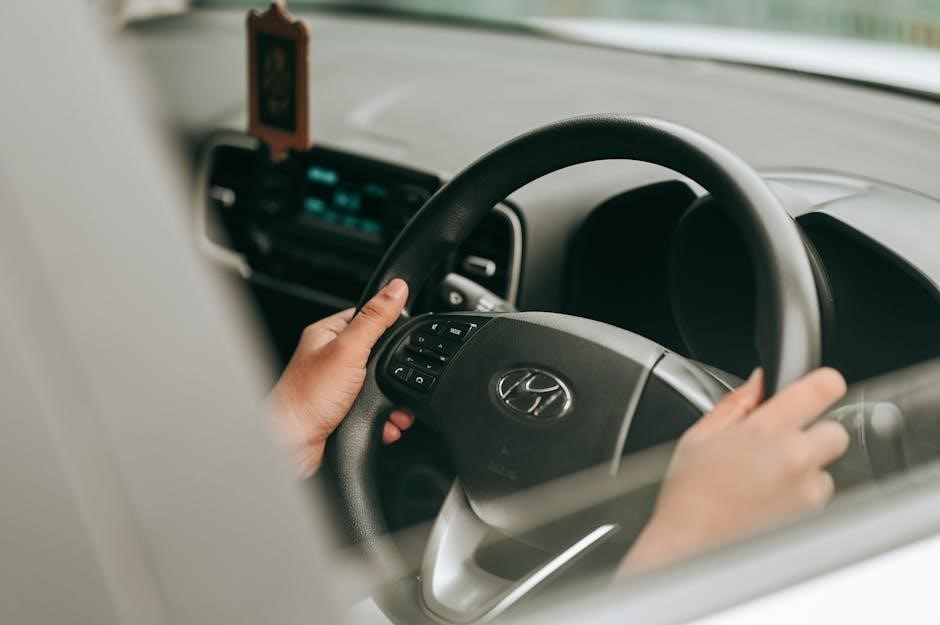
The DC Driver Manual details strict laws regarding distracted driving. Handheld cell phone use is prohibited while operating a vehicle, including texting and making calls.
This law applies to all drivers in the District of Columbia.
Other distractions, like adjusting the radio or eating, can also impair driving ability.
Focus solely on the task of driving to ensure safety.
Violators face fines and potential points on their driving record, emphasizing the seriousness of this traffic safety concern.
Driving Under the Influence (DUI) Laws
The DC DMV Driver Manual clearly outlines the severe consequences of driving under the influence (DUI). It is illegal to operate a vehicle with a blood alcohol concentration (BAC) of .08% or higher.
Penalties for DUI convictions in DC are substantial, including hefty fines, license suspension, and potential jail time.
The manual emphasizes zero tolerance for drivers under 21, with a lower BAC limit.
Impaired driving endangers lives; never drive after consuming alcohol or drugs.
Seat Belt Laws and Child Safety Seats
The DC DMV Driver Manual stresses the critical importance of seat belt usage for all vehicle occupants. DC law mandates that all drivers and passengers wear seat belts while the vehicle is in motion.
Furthermore, the manual details specific requirements for child passenger safety.
Children must be properly restrained in approved child safety seats until they meet specific age, height, or weight criteria.
Failure to comply with these laws can result in fines and penalties, prioritizing safety for all.
Vehicle Registration and Insurance
The DC DMV Manual outlines the process for vehicle registration, requiring specific documentation and fees. Maintaining valid insurance coverage is also mandatory for DC vehicle operation.
DC Vehicle Registration Process
According to the DC DMV Manual, registering a vehicle involves submitting an application, proof of ownership (title), identification, and payment of applicable fees.
New residents have a limited timeframe to register their vehicles upon establishing residency.
The process can be initiated online, by mail, or in person at a DC DMV service center.
Vehicle inspections are often required as part of the registration process, ensuring compliance with safety and emissions standards.
Renewal notices are typically mailed, and timely renewal is essential to avoid penalties;
Required Insurance Coverage
The District of Columbia DMV Manual mandates minimum liability insurance coverage for all registered vehicles. This includes bodily injury and property damage liability, ensuring financial protection in case of an accident.
Drivers must maintain valid insurance throughout their registration period.
Proof of insurance is required during vehicle registration and may be requested by law enforcement during traffic stops.
Additional coverage options, such as collision and comprehensive, are available but not legally required.
Failure to maintain adequate insurance can result in fines, suspension of registration, and other penalties.
Vehicle Inspections in the District of Columbia
The DC DMV Driver Manual details the vehicle inspection requirements for registration renewal. Periodic inspections ensure vehicles meet safety standards and contribute to road safety for all users.
Inspections cover essential components like brakes, lights, tires, and steering mechanisms.
Vehicles must pass inspection at authorized inspection stations before registration can be renewed.
Inspection fees apply, and a passing certificate is required for registration.
Exemptions may apply to new vehicles or those meeting specific criteria, as outlined in the manual.
Road Signs and Their Meanings
The DC DMV Manual comprehensively covers regulatory, warning, and guide signs. Understanding these signs is vital for safe navigation and compliance with traffic laws.
Regulatory Signs
Regulatory signs, as detailed in the DC DMV Manual, inform drivers of laws and regulations. These signs dictate legal requirements, not suggestions, and non-compliance can result in fines or penalties.
Examples include speed limit signs, stop signs, yield signs, and do-not-enter signs. The manual emphasizes recognizing shapes and colors; octagonal signs always indicate stop, while triangular signs generally warn of yield situations.
Understanding these signs is paramount for maintaining order and safety on District of Columbia roadways, ensuring all drivers adhere to the established rules of the road.
Warning Signs
Warning signs, covered extensively in the DC DMV Manual, alert drivers to potentially hazardous conditions ahead. These signs are typically yellow and diamond-shaped, indicating a need for caution.
They highlight dangers like curves, intersections, pedestrian crossings, and upcoming road work. The manual stresses that warning signs don’t create the hazard, but rather warn of existing ones.
Drivers must reduce speed and increase awareness when encountering these signs to react safely to changing road conditions and avoid potential collisions, prioritizing safety for themselves and others.
Guide Signs
Guide signs, detailed within the DC DMV Manual, provide motorists with helpful information about routes, distances, destinations, and points of interest. These signs utilize various colors to convey different meanings.
Green signs indicate destinations and highway entrances/exits, while blue signs highlight services like gas stations, hospitals, and lodging. Brown signs often mark historical or recreational areas.
Understanding these signs, as emphasized in the manual, is crucial for efficient navigation and reaching desired locations safely within the District of Columbia and beyond.

Preparing for the DC Driver’s License Exam
The DC DMV Manual and practice knowledge tests are vital for exam preparation. Mastering the manual’s content and avoiding common mistakes ensures success!
Practice Knowledge Tests
Utilizing practice knowledge tests is a cornerstone of successful preparation for the DC driver’s license exam. The DC DMV website provides a valuable resource, offering numerous simulated tests mirroring the actual exam format and content.
These tests allow applicants to assess their understanding of traffic laws, road signs, and safe driving practices outlined in the official DC DMV Driver’s Manual.
Regularly taking these practice tests helps identify areas needing further study, building confidence and increasing the likelihood of passing the exam on the first attempt.
The Driving Skills Test: What to Expect
The DC driving skills test comprehensively evaluates a candidate’s ability to safely operate a vehicle in real-world conditions. Expect examiners to assess fundamental skills like proper lane changes, smooth turns, controlled stops, and adherence to all traffic laws.
Candidates must demonstrate proficiency in parking techniques, merging onto highways, and responding appropriately to various traffic scenarios.
Reviewing the DC DMV Driver’s Manual is crucial, as the test directly reflects the guidelines and regulations detailed within.
Common Mistakes to Avoid During the Exam
During the DC driver’s exam, avoid frequent glances at mirrors, failing to signal properly, and inconsistent speed control. Hesitation at intersections, improper lane positioning, and neglecting blind spot checks are also common errors.
Ensure complete stops at stop signs, yielding right-of-way when required, and maintaining a safe following distance.
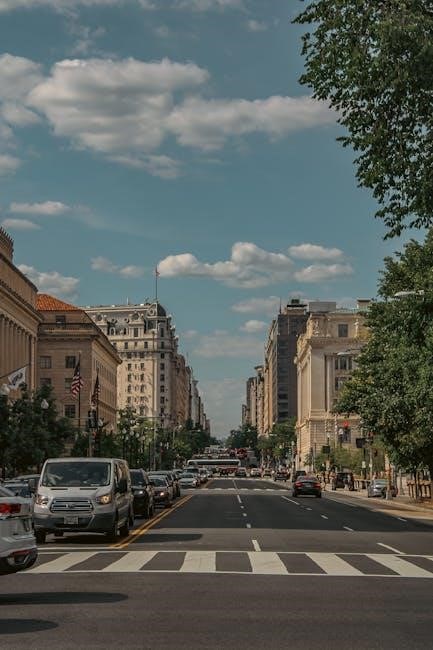
Thorough preparation using the DC DMV Driver’s Manual and practice drives will minimize these mistakes, increasing your chances of success.
Post-Exam Procedures and Licensing
Upon completing the DC driving skills test, you’ll receive immediate feedback on your performance. If you pass, a temporary license is issued, followed by your permanent card via mail.
Failed attempts require a re-test; review the DC DMV Driver’s Manual to address weaknesses.
Ensure all required documentation is submitted promptly to avoid delays in receiving your license. Visit the DC DMV website for detailed procedures and associated fees for licensing.
Specific DC Driving Regulations
The DC DMV Handbook details unique local laws regarding bicycles, pedestrians, motorcycles, and interactions with public transport.
Understanding these regulations is vital for safe and legal driving within the District.
Bicycle Laws in the District of Columbia
The DC DMV Driver Manual outlines specific regulations for cyclists, emphasizing shared roadway responsibilities. Bicycles are legally permitted on most District streets, but riders must adhere to traffic laws, including signals and lane markings.
Cyclists are required to use hand signals, and helmets are mandated for riders under 16.
The manual stresses awareness of both cyclist and motorist rights, promoting safe interactions.
Furthermore, it details proper bicycle equipment requirements, like functioning brakes and lights, ensuring visibility and safety for all road users in the District.
Pedestrian Safety Laws
The District of Columbia Driver Manual dedicates a section to pedestrian rights and driver responsibilities, prioritizing safety for those on foot. Drivers must yield to pedestrians in crosswalks, marked or unmarked, and exercise caution in areas with high pedestrian traffic.
The manual emphasizes awareness of vulnerable pedestrians, including children and individuals with disabilities.
Jaywalking laws are also addressed, outlining prohibited crossing locations.
Drivers are legally obligated to avoid distractions and maintain a safe speed to ensure pedestrian safety throughout the District.
Rules Regarding Motorcycles
The DC DMV Driver Manual outlines specific regulations for motorcycle operation within the District of Columbia. These rules cover helmet requirements, ensuring all riders and passengers wear DOT-approved helmets.
The manual details licensing procedures, including a dedicated motorcycle skills test, and emphasizes the importance of proper training.
Lane sharing and filtering are addressed, along with visibility considerations for motorcyclists.
Drivers of other vehicles are instructed to be particularly aware of motorcycles due to their smaller profile and increased vulnerability.
Public Transportation Interactions
The District of Columbia Driver Manual addresses interactions between vehicles and the city’s extensive public transportation system. Drivers must yield to buses re-entering traffic after passenger loading or unloading, maintaining a safe distance.
Awareness around streetcars and designated transit lanes is crucial, avoiding obstruction at all times.
The manual emphasizes caution near bus stops and train stations, anticipating pedestrian traffic.
Drivers are reminded to respect designated bus lanes and avoid blocking intersections when approaching public transport routes.
Emergency Procedures
The DC DMV Manual details accident protocols, emphasizing reporting requirements to the DMV and law enforcement. It guides drivers through post-accident steps and legal obligations.
What to Do in Case of an Accident
The District of Columbia Driver Manual outlines crucial steps following an accident. First, ensure personal safety and check for injuries among all involved parties. Immediately call 911 to report the incident and request medical assistance if needed.
Exchange information – names, addresses, insurance details, and vehicle registration – with the other driver(s). Document the scene thoroughly, including photos of vehicle damage and the accident location.
Crucially, do not admit fault or discuss the details of the accident with anyone except law enforcement. Finally, promptly report the accident to the DC DMV as required by law, following the procedures detailed in the manual.
Reporting Accidents to the DC DMV
The DC DMV Driver Manual mandates reporting accidents meeting specific criteria. Any crash resulting in injury, death, or property damage exceeding $1,500 must be reported. Reports are due within five days of the incident.
You can submit a DMV Form 700, “Driver’s Report of Crash,” online through the DC DMV website or by mail. Accurate and complete information is essential, including date, time, location, and details of all involved parties.
Failure to report as required can result in penalties, including license suspension. Consult the manual for specific reporting procedures and forms.
Dealing with Law Enforcement
The DC DMV Driver Manual emphasizes respectful and cooperative behavior during interactions with law enforcement. If stopped, remain calm, pull over to a safe location, and turn on your hazard lights.
Provide requested documentation – driver’s license, vehicle registration, and proof of insurance – promptly and politely. You have the right to remain silent, but refusing to identify yourself may lead to arrest.
Avoid arguing or making sudden movements. Understand your rights, but always comply with lawful orders from the officer.
Resources and Contact Information
The DC DMV website provides online services, downloadable manuals, and practice tests. Contact them via phone or visit their addresses for assistance with licensing.
DC DMV Website and Online Services
The District of Columbia Department of Motor Vehicles (DC DMV) website, dmv.dc.gov, serves as a central hub for all driver-related needs. It offers convenient access to the official driver manual, allowing residents to study for the permit and license exams online.
Furthermore, the website provides valuable online services, including vehicle registration renewal, driver license renewal, and the ability to schedule appointments for in-person visits. Practice knowledge tests are also available, aiding in exam preparation. These digital resources streamline processes and enhance accessibility for DC residents.
DC DMV Phone Numbers and Addresses
While the DC DMV prioritizes online services, direct contact options remain available for assistance. Specific phone numbers and addresses aren’t explicitly detailed in the provided sources, emphasizing the website (dmv.dc.gov) as the primary resource.
However, the website itself lists contact information for various departments. Residents can locate relevant numbers for vehicle services, driver licensing, and other inquiries. Physical locations are also detailed on the site, facilitating in-person transactions when necessary, though online services are encouraged for efficiency.
Driver Education Programs in DC
The DC DMV encourages comprehensive driver education to supplement the official driver’s manual. While specific approved programs aren’t listed in the provided resources, the DMV website (dmv.dc.gov) likely maintains a directory of certified driving schools within the District of Columbia.
These programs offer structured learning experiences, encompassing both classroom instruction and behind-the-wheel training. Utilizing a professional program alongside studying the manual can significantly enhance a learner’s preparedness for the permit and licensing exams, fostering safer driving habits.
 clip jam user manual
  kenmore oven manual model 790
  scag freedom z owners manual
  zoom h1 owners manual
  nuwave oven pro plus manual
  nuna pipa urbn manual
  instructions for tiger rice cooker
  canadian army cadet uniform guide
  canadian electrical code part 1 pdf free download