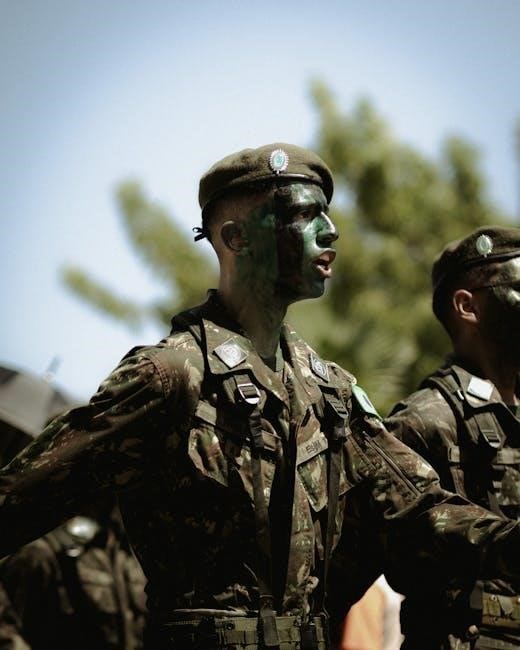
This comprehensive guide details uniform regulations for Canadian Army Cadets, referencing resources from the Cadet Program and historical military traditions, ensuring proper dress and appearance.
The Canadian Army Cadet Program is a national organization dedicated to developing leadership, citizenship, and physical fitness in youth aged 12-18. Rooted in a tradition of discipline and service, the program mirrors aspects of military structure, though it is not a direct path to military enlistment.
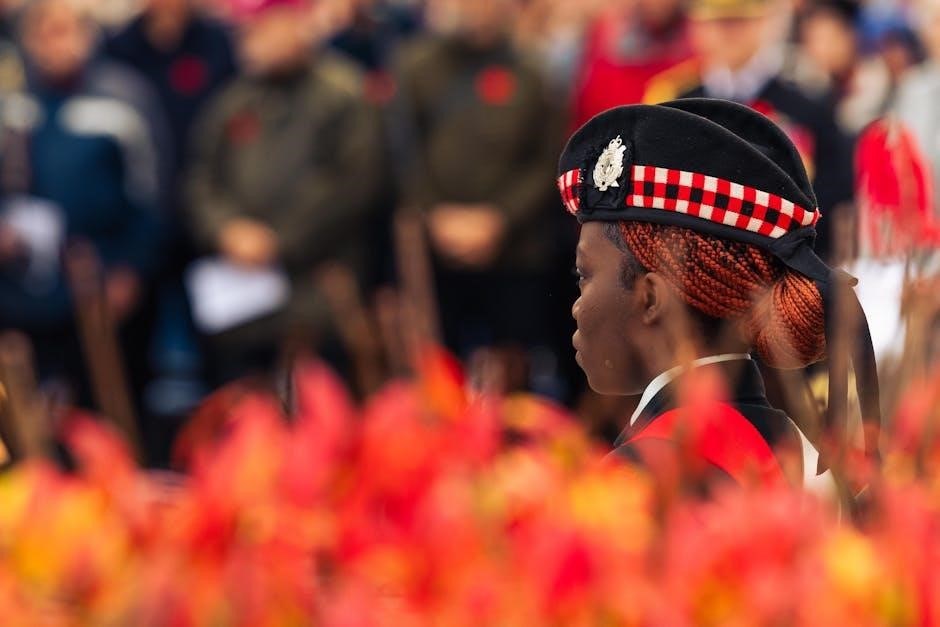
Cadets participate in a variety of training activities, including first aid, drill, marksmanship, and outdoor survival skills. A key component of this training is adherence to a strict dress code, reflected in the detailed uniform regulations. Understanding the uniform isn’t merely about appearance; it symbolizes commitment, respect, and belonging within the Cadet community.
This guide, drawing from resources like the Royal Canadian Air Cadet Uniform Guide and studies on cadet programs internationally, aims to provide a clear and concise overview of the Canadian Army Cadet uniform, its components, and proper wear.
Overview of Uniform Components
The Canadian Army Cadet uniform is comprised of several key elements, each serving a specific purpose and adhering to precise regulations. These components range from the basic garments worn for everyday training to specialized items for seasonal adjustments and formal occasions.
Core elements include the shirt, trousers (or skirt), footwear, socks, and headgear – specifically the service cap or beret. Beyond these basics, cadets wear a brassard for identification, displaying their name tag and cadet number. Badges and insignia, denoting rank and proficiency, are affixed according to strict placement guidelines.
Understanding the function of each component, as detailed in official uniform guides, is crucial. The uniform isn’t simply clothing; it’s a representation of the Cadet’s commitment and adherence to program standards, echoing traditions seen in various military forces globally.
Basic Uniform – Level 1
The Level 1 uniform represents the foundational attire for all new Canadian Army Cadets. It’s designed for initial training and everyday activities, emphasizing a neat and presentable appearance. This stage focuses on familiarization with uniform components and proper wear.
Typically, Level 1 consists of the standard cadet shirt – olive green in colour – paired with matching trousers or a skirt, depending on the cadet’s preference. Appropriate footwear, such as black boots or shoes, and dark socks complete the base ensemble. The initial focus is on correct fit and adherence to basic dress regulations.
Cadets at this level will begin learning about badge placement and the importance of maintaining a clean and well-maintained uniform, reflecting discipline and pride in the program.
Shirt and Trousers/Skirt
The Canadian Army Cadet shirt is a key component, typically olive green, constructed for durability and comfort during training exercises. It features button closures and epaulettes for rank insignia. Proper fit is crucial – shirts should be neatly tucked in at all times.
Trousers, also olive green, are designed for a professional appearance and ease of movement. Cadets have the option of wearing trousers or a skirt, adhering to established dress code guidelines. Skirts must be of appropriate length and worn with regulation socks.
Both shirts and trousers/skirts must be free of excessive wear and tear, maintaining a clean and pressed appearance. Attention to detail in these foundational elements demonstrates respect for the uniform and the Cadet Program.
Footwear and Socks
Regulation footwear for Canadian Army Cadets consists of black, lace-up boots or shoes, polished to a high shine. The style must be approved and conform to established standards, ensuring a smart and presentable appearance on parade and during training.
Socks are equally important, requiring cadets to wear plain black socks that fully cover the ankle. Visible patterns or logos are prohibited, maintaining uniformity within the Cadet corps. Proper sock fit prevents discomfort and blisters during extended periods of activity.
Footwear must be maintained in excellent condition, free from scuffs and damage. Regular polishing and care demonstrate attention to detail and respect for uniform regulations.
Seasonal Uniform Adjustments
Canadian Army Cadet uniform requirements adapt to varying weather conditions, ensuring cadet comfort and operational readiness throughout the year. Adjustments are made to accommodate both extreme heat and frigid temperatures, maintaining a professional appearance regardless of the season.
During warmer months, modifications may include the authorized wear of short-sleeved shirts, and potentially, alternative footwear options as per regulations. Conversely, colder weather necessitates the addition of layers, such as sweaters, jackets, and appropriate cold-weather accessories.
These seasonal adjustments are communicated through official Cadet channels, ensuring all members are aware of the current dress code. Adherence to these guidelines is crucial for maintaining discipline and preparedness.
Summer Uniform Variations
The Canadian Army Cadet summer uniform prioritizes comfort and practicality during warmer training periods. While maintaining a smart appearance, variations allow for increased breathability and flexibility. Typically, this involves the authorized wear of the standard shirt with rolled-up sleeves, adhering to prescribed length guidelines.
Shorts may be permitted for certain activities, contingent upon unit policy and activity type, always ensuring a neat and presentable look. Footwear adjustments often include the option of wearing approved athletic socks with standard boots or shoes.
Headgear may also be modified, with the potential for authorized summer-weight caps. All variations must comply with official regulations, maintaining the core standards of the Cadet uniform.
Winter Uniform – Cold Weather Gear
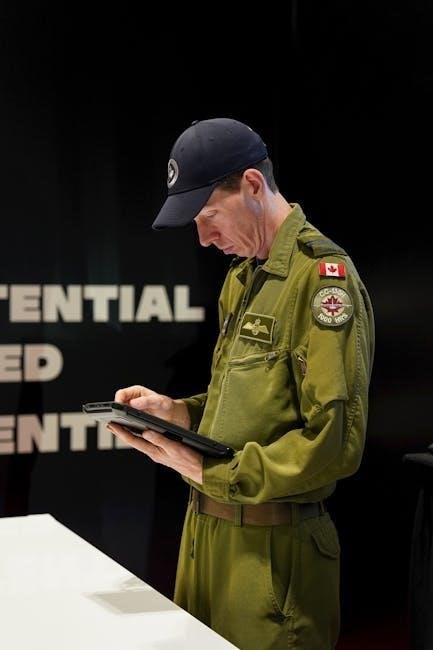
Canadian Army Cadets operating in cold weather require specialized gear to maintain operational effectiveness and personal safety. The winter uniform builds upon the basic uniform, adding layers for insulation and protection against the elements. This typically includes a warm, authorized jacket, often in a subdued colour to blend with winter landscapes.
Essential components also encompass a hat or toque, designed to retain body heat, and waterproof gloves or mittens to protect hands from frostbite. Appropriate winter footwear, often insulated boots, is crucial for maintaining foot warmth and traction on snow and ice.
Layering is key, allowing cadets to adjust their clothing to changing temperatures and activity levels, always adhering to uniform regulations.
Headgear and its Significance
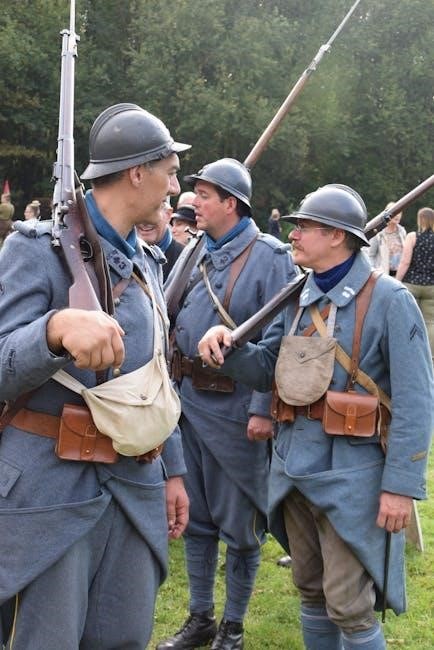
Headgear in the Canadian Army Cadet uniform is more than just protection from the elements; it represents tradition, discipline, and belonging. Different headgear items signify varying levels of training, affiliation, and occasion. Proper wear demonstrates respect for the program and adherence to regulations.
The service cap and beret are the primary forms of headgear, each with specific guidelines regarding placement, insignia, and overall appearance. The colour of the beret often denotes the cadet’s corps or specialization, fostering a sense of unit identity.
Maintaining the headgear in a clean and presentable condition is paramount, reflecting the cadet’s personal pride and commitment to the program’s standards.
Service Cap – Proper Wear
The service cap is a fundamental component of the Canadian Army Cadet uniform, demanding precise adherence to wear regulations. It must be worn squarely on the head, with the band encircling the head approximately one inch above the eyebrows. The cap badge, a symbol of affiliation, is centered and securely fastened.
Maintaining a neat appearance is crucial; the cap should be free of creases and dust. The peak must be straight and positioned correctly to provide a smart, professional look. Adjustments should be made to ensure a comfortable yet secure fit, preventing any tilting or slouching.
Proper wear of the service cap reflects discipline and respect for the Canadian Army Cadet program’s traditions.
Beret – Colour and Insignia
The beret’s colour signifies a cadet’s specific unit or corps within the Canadian Army Cadet program. Traditionally, colours include rifle green, navy blue, and potentially others depending on regional variations and affiliations. It’s crucial to wear the correct colour beret as designated by your unit.
Insignia placement on the beret is equally important. The cap badge, representing the cadet’s regiment or corps, is positioned centrally above the left eye. It must be securely fastened and maintained in a clean, polished condition.
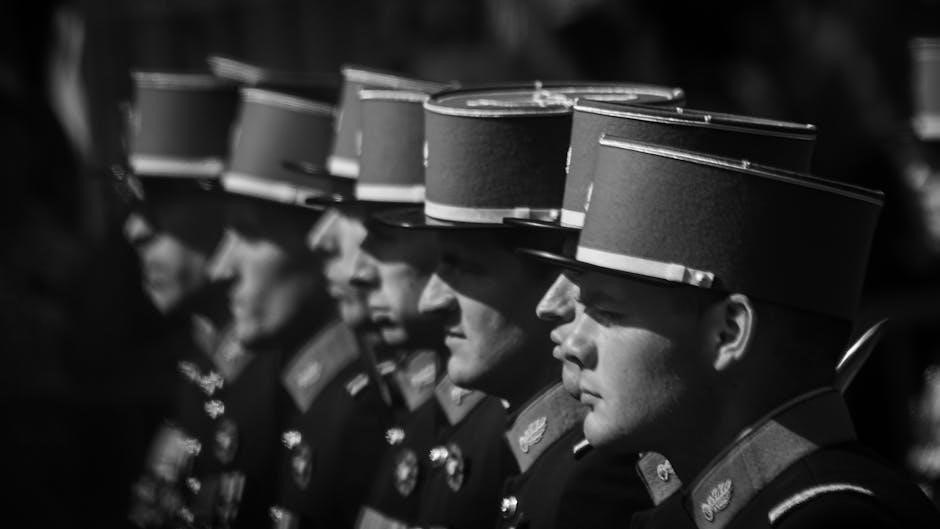
The beret should be worn tilted slightly to the right, presenting a smart and disciplined appearance, reflecting pride in the Cadet program.
Badges and Insignia Placement
Precise placement of badges and insignia is fundamental to a correct and respectful uniform presentation. Regulations, mirroring those found in Army regulation AR 670-1, dictate specific locations for each item. This ensures uniformity and clarity of rank and achievements.
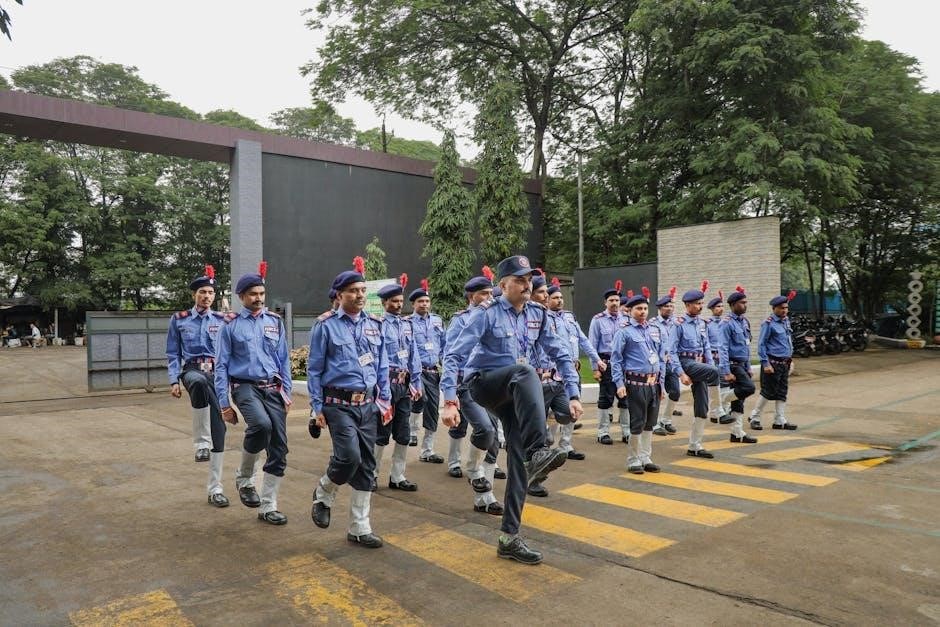
Proficiency badges, earned through skill development and training, are affixed to the uniform according to a defined hierarchy. Placement considers badge size and type, avoiding overlap or obscuring of other insignia. The brassard, a key component, also features specific badge locations.
Adherence to these standards demonstrates discipline and attention to detail, vital qualities fostered within the Canadian Army Cadet program.
Placement of Rank Insignia
Rank insignia accurately reflects a cadet’s position within the organizational hierarchy. Consistent and correct placement is paramount, adhering strictly to established regulations, similar to those governing the broader Army. Insignia is typically worn on the sleeves or collar, depending on the specific rank and uniform type.
The positioning ensures clear visibility and avoids ambiguity. Senior cadets will have different placement requirements than junior cadets, clearly denoting their leadership roles. Proper alignment and spacing are crucial for a professional appearance.
Understanding rank insignia placement is a key element of cadet training, fostering respect for authority and organizational structure.
Placement of Proficiency Badges
Proficiency badges demonstrate a cadet’s achievements and skills acquired through training. These badges are earned by successfully completing courses and meeting specific standards, showcasing dedication and competence. Placement follows a defined order of precedence, ensuring badges are displayed logically and consistently across all cadets.
Generally, badges are affixed to the left sleeve, above the elbow, following a hierarchical arrangement based on the level of achievement. More prestigious badges are positioned higher. Correct spacing and alignment are vital for a neat and professional appearance.
Adhering to badge placement guidelines reinforces discipline and recognizes individual accomplishments within the Cadet Program.
Brassard and Identification
The brassard serves as a readily visible identification tool for Canadian Army Cadets, particularly during field exercises and parades. It displays essential information allowing for quick recognition and accountability within the cadet unit. Proper wear and maintenance of the brassard are crucial components of uniform standards.
The brassard is typically worn on the left forearm, secured with appropriate fasteners. It houses the cadet’s name tag and cadet number, ensuring clear identification in various operational settings. Instructions detail specific placement of these elements for optimal visibility and legibility.
Maintaining a clean and presentable brassard reflects discipline and attention to detail.
Brassard Usage and Contents
The Canadian Army Cadet brassard is a vital component for immediate identification, utilized during training exercises, parades, and official events. Its primary function is to clearly display a cadet’s essential details, facilitating efficient communication and accountability within the unit structure. Consistent and correct usage is paramount.
Contents typically include a securely affixed name tag, displaying the cadet’s surname and given names, and a unique cadet number assigned upon enrollment. These elements must be legible and properly positioned on the brassard’s designated area.
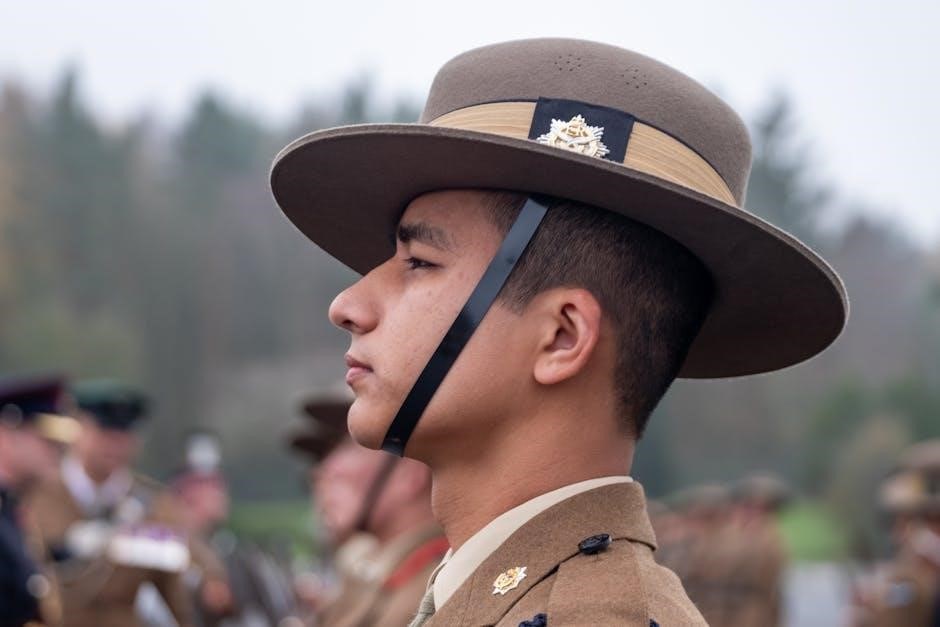
The brassard’s placement is always on the left forearm, ensuring visibility and adherence to dress regulations.
Name Tag and Cadet Number
The name tag and cadet number are crucial elements of a cadet’s brassard, providing immediate identification and facilitating administrative processes. The name tag displays the cadet’s surname and given names in a clear, legible format, ensuring easy recognition by peers and superiors. It must be securely attached to the brassard.
The cadet number, a unique identifier assigned upon enrollment, is equally important for record-keeping and tracking a cadet’s progress within the program. Both the name tag and cadet number must be consistently maintained and displayed correctly on the left forearm brassard.
Accuracy and neatness are essential for presenting a professional appearance.
Uniform Maintenance and Care
Maintaining a clean and well-presented uniform is paramount, reflecting discipline and pride in the Canadian Army Cadet program. Regular washing and proper ironing are essential for preserving the uniform’s appearance and longevity. Follow specific washing instructions to prevent fading or damage to fabrics and insignia.
Inspect uniforms frequently for wear and tear, addressing minor repairs promptly. Stains should be treated immediately to avoid permanent discoloration. Ironing should be done carefully, adhering to fabric guidelines to avoid scorching or misshaping.
Proper storage, away from direct sunlight and moisture, will also extend the uniform’s lifespan.
Washing and Ironing Instructions
Cadet uniforms require careful washing to maintain their appearance and integrity. Machine washing is generally permitted, utilizing cold water and a mild detergent. Avoid bleach or harsh chemicals, as these can damage the fabric and fade colours. Turn garments inside out to protect insignia and minimize wear.
Tumble drying on a low heat setting is acceptable, but air drying is preferred to prevent shrinkage. When ironing, use a low to medium heat setting appropriate for the fabric type. Protect badges and insignia with a pressing cloth to prevent damage.
Pay close attention to care labels for specific garment instructions.
Inspection Standards and Common Errors
Uniform inspections ensure cadets present a smart and professional appearance, reflecting discipline and pride. Inspections assess cleanliness, proper fit, correct insignia placement, and overall condition. Common errors include missing or incorrectly placed badges, wrinkled or stained uniforms, and improper footwear.
Cadets should ensure all buttons are secure, zippers function correctly, and brassards are worn according to regulations. Attention to detail is crucial; loose threads, scuffed shoes, and unpolished brass detract from the overall presentation.
Regular self-inspection is vital to avoid deductions during formal parades and events. Maintaining uniform standards demonstrates respect for the program and the Canadian Armed Forces.
Dress Regulations and Protocol
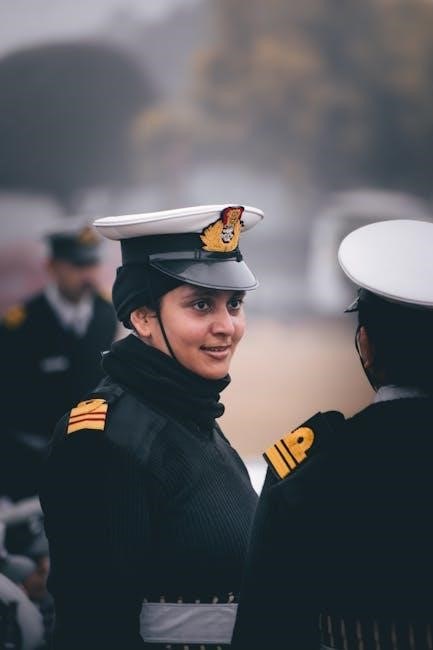
Strict adherence to dress regulations is paramount within the Canadian Army Cadet program, emphasizing discipline and respect. Protocol dictates appropriate uniform levels for various occasions, from routine training to formal ceremonies. Cadets must understand the significance of each component and its correct wear.
Regulations, aligning with Army regulation AR 670-1, govern everything from footwear to headgear. Failure to comply can result in corrective action. Formal occasions demand the dress uniform, meticulously maintained and presented. Parade square protocol requires precise uniform standards, ensuring a cohesive and professional appearance.
Understanding these regulations fosters a sense of belonging and pride within the cadet corps.
Formal Occasions – Dress Uniform
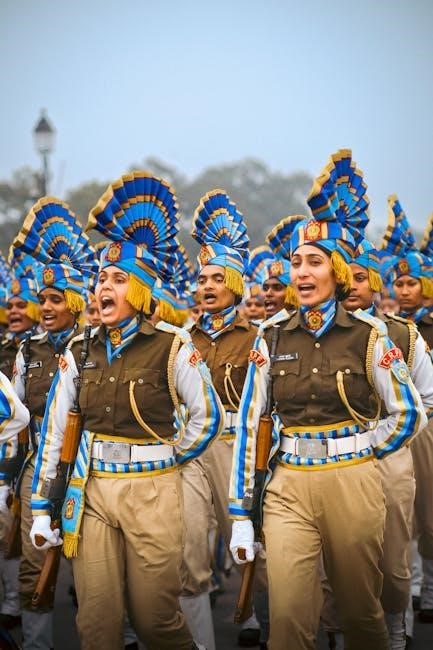
The dress uniform for Canadian Army Cadets represents the highest standard of appearance, reserved for significant formal events like parades, inspections, and ceremonies. It signifies respect for the program, the Canadian Armed Forces, and the public. This uniform demands meticulous attention to detail, ensuring every component is clean, pressed, and correctly worn.
Proper badge placement, polished footwear, and a well-maintained brassard are crucial elements. Cadets are expected to demonstrate pride and professionalism while wearing the dress uniform, embodying the values of the Cadet Program. Adherence to dress regulations, as outlined in program guidelines, is strictly enforced during these occasions.
Parade Square Protocol – Uniform Standards
On the parade square, uniform standards are paramount, reflecting discipline, precision, and collective pride. Every cadet’s uniform undergoes rigorous inspection, assessing cleanliness, proper fit, and accurate badge placement. Any deviation from regulations is addressed immediately, reinforcing the importance of attention to detail.
Cadets must maintain a crisp, professional appearance throughout all parade movements and formations. This includes correct posture, polished footwear, and a neatly presented brassard displaying identification. The parade square serves as a visible demonstration of the Cadet Program’s commitment to excellence and adherence to established protocols, embodying the spirit of the Canadian Armed Forces.
 canadian electrical code part 1 pdf free download
  guide de consommation de carburant 2023
  règlement sur la santé et la sécurité du travail pdf
  canadian army cadet uniform guide
  aldi k fee coffee machine manual
  princeton guide to historical research